

Insights
How to Evaluate Rosemary Extract Suppliers for Pet Food: 5 Critical QC Tests
A supplier that says “we are a leading rosemary extract supplier” tells you nothing. What you need are the five…
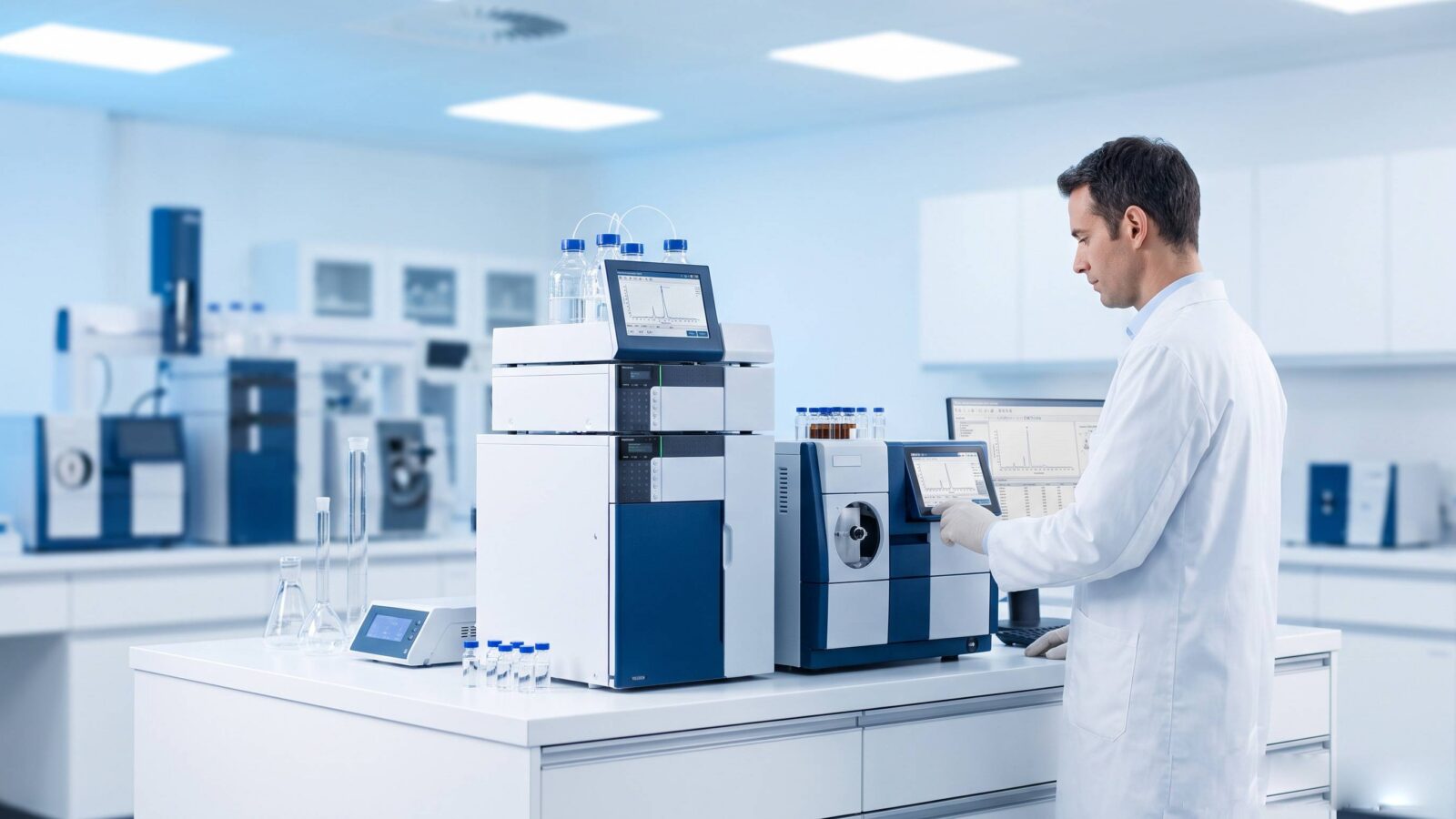
For B2B buyers of botanical extracts, the ability to verify product quality is essential. The Certificate of Analysis (COA) is the primary document that records quality parameters for each lot, and understanding the analytical methods behind it — particularly HPLC and UV — is critical for making informed procurement decisions.
This guide explains the key analytical methods used in botanical extract quality verification, how to interpret COAs, and how to establish incoming quality testing protocols.
Botanical extracts are complex products derived from natural raw materials. Unlike synthetic ingredients with well-defined chemical structures, botanical extracts can vary based on:
Without proper quality verification, the active compound content of an “extract” can vary dramatically from lot to lot, leading to inconsistent finished products and potential regulatory issues.
HPLC is the gold standard for quantifying active compounds in botanical extracts. It separates, identifies, and quantifies each component in a mixture based on its interaction with a stationary phase and mobile phase.
What HPLC measures: Specific active compounds (e.g., carnosic acid, DNJ, EGCG, berberine) with high precision and accuracy.
Why HPLC is preferred:
Typical HPLC detection limits: 0.01%-0.1% for most botanical active compounds.
For B2B buyers, always specify “HPLC” when requesting active compound verification. UV methods can sometimes be acceptable for screening, but HPLC is preferred for final verification.
UV spectrophotometry measures the absorption of ultraviolet light by a sample. It’s faster and less expensive than HPLC but less specific.
What UV measures: Total content of compounds that absorb at a specific wavelength (e.g., total phenolics, total flavonoids, total saponins).
Limitations:
UV methods are sometimes acceptable for total content categories (e.g., “total polyphenols”) but should not be the sole method for active compound verification.
ICP-MS is used for heavy metals analysis — a critical quality parameter for botanical extracts.
What ICP-MS measures: Trace levels of heavy metals including lead, cadmium, arsenic, and mercury.
Typical limits for botanical extracts:
| Heavy Metal | USP <232> Limit | EU Limit (where applicable) |
|---|---|---|
| Lead (Pb) | 3 ppm (oral) | 3 ppm |
| Cadmium (Cd) | 0.5 ppm | 1 ppm |
| Arsenic (As) | 1.5 ppm | 1.5 ppm |
| Mercury (Hg) | 0.1 ppm | 0.1 ppm |
Always verify heavy metals testing on incoming lots, especially for botanicals grown in regions with potential environmental contamination.
GC-MS is used for residual solvent analysis and volatile compound profiling.
What GC-MS measures: Residual extraction solvents (e.g., ethanol, methanol, hexane, acetone) and volatile aromatic compounds.
Typical limits: Vary by solvent and target market; USP <467> provides standard limits for many solvents.
Standard microbiological testing for botanical extracts includes:
A typical COA for a botanical extract contains the following sections:
The core of the COA is a table comparing specification limits to actual test results for each parameter. A typical structure:
| Parameter | Specification | Result | Method | Pass/Fail |
|---|---|---|---|---|
| Appearance | Brown powder | Conforms | Visual | Pass |
| Carnosic acid (active) | ≥ 25.0% | 26.3% | HPLC | Pass |
| Loss on drying | ≤ 5.0% | 3.2% | USP <731> | Pass |
| Lead | ≤ 3 ppm | 0.8 ppm | ICP-MS | Pass |
| Total plate count | ≤ 1,000 CFU/g | < 100 CFU/g | USP <61> | Pass |
When reviewing a COA, pay particular attention to:
Watch for these warning signs when reviewing COAs:
For B2B buyers, an effective incoming quality program includes:
Maintain detailed specification documents for each botanical extract, including:
Use a recognized sampling plan (e.g., ANSI/ASQ Z1.4) to determine sample size based on lot size and acceptable quality level (AQL). For critical ingredients, consider 100% sampling or AQL of 0.1%.
For critical parameters, conduct independent verification testing:
Maintain retain samples of each lot for at least the shelf life of the finished product, in case future investigation is needed.
Track supplier quality data over time. Significant variations in active compound content, heavy metals, or other parameters should trigger supplier review.
Establish a clear process for handling out-of-specification results, including:
For B2B buyers without in-house analytical capabilities, third-party testing laboratories provide verification services. Key considerations:
Some reputable third-party labs serving the botanical extract industry include Eurofins, SGS, Intertek, and Covance.
Detection: HPLC analysis of active compound profile (adulterants may produce similar but distinct fingerprints); isotope ratio analysis for source verification.
Detection: HPLC profiling of multiple compounds, not just the primary active. Excessive extraction may show imbalanced ratios.
Detection: ICP-MS analysis of incoming lots, especially for botanicals grown in industrial regions.
Detection: Standard microbiological testing; additional testing for specific pathogens if water activity is high.
Detection: Compare HPLC results at receipt vs. six months later under your storage conditions; accelerated stability testing by supplier.
Request that your suppliers provide:
Quality verification is a critical competency for B2B buyers of botanical extracts. Understanding the analytical methods behind COAs, recognizing red flags, and implementing incoming quality testing protocols are essential for protecting product quality and brand reputation.
At Nourish Ingredients, we provide lot-specific COAs with HPLC-verified active compound content, comprehensive heavy metals and microbiological testing, and complete traceability for every shipment. Review our quality systems or request samples to see the difference quality makes.
A supplier that says “we are a leading rosemary extract supplier” tells you nothing. What you need are the five…
Selecting the right carnosic acid concentration (5%, 25%, 60%, 90%) is critical for your product's efficacy and cost. This B2B…
The global pet food market continues to grow, with premium and super-premium segments driving demand for functional ingredients that offer…