
Antioxidants
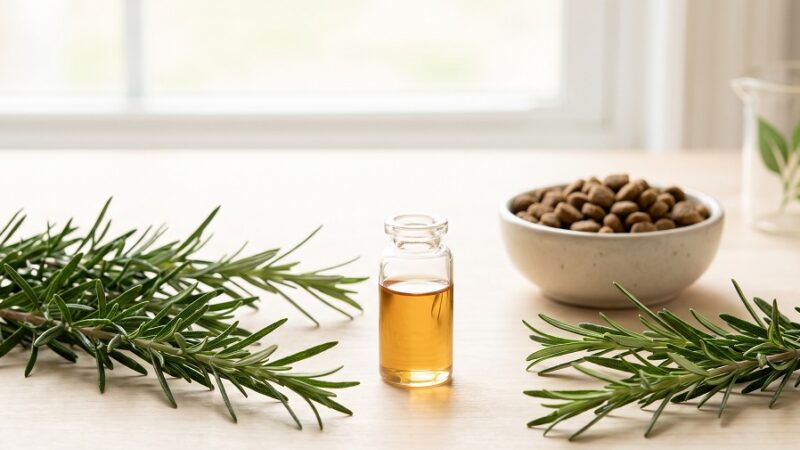
Rosemary Extract for Pet Food: Antioxidant Preservation Guide
Pet food manufacturers face a growing challenge: consumers want clean-label products without synthetic preservatives like BHA, BHT, or ethoxyquin, but…
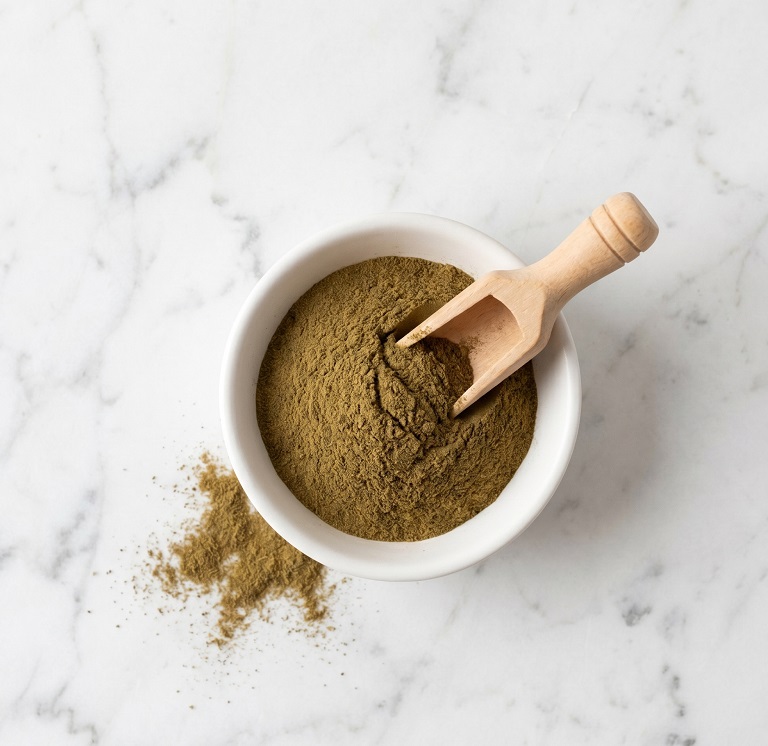
Choosing the correct carnosic acid concentration for your rosemary extract is one of the most consequential decisions in botanical ingredient sourcing. The difference between a 5% and a 90% grade affects not just cost—it’s the difference between a functional antioxidant and a premium nutraceutical product. This guide breaks down every grade, its stability profile, solubility characteristics, and the specific applications where each excels.
Carnosic acid is the primary antioxidant compound in Rosmarinus officinalis (rosemary). It inhibits lipid peroxidation, scavenges free radicals, and prevents the formation of oxidative degradation products in fats and oils. But carnosic acid content varies dramatically between extracts:
Higher concentration means more antioxidant punch per gram—but also higher cost and different handling requirements. The right choice depends entirely on your end application.
Entry-level rosemary extract, typically oil-soluble, used as a natural antioxidant to replace synthetic BHA/BHT in food applications.
Key characteristics:
Typical applications: frying oils, snack foods, processed meats, baked goods, edible oils. In pet food: used in premium dry kibble to replace synthetic antioxidants (BHA/BHT) for clean-label claims.
The most versatile commercial grade. Offers meaningful antioxidant potency at a manageable cost point.
Key characteristics:
Typical applications: dietary supplement capsules and softgels, functional beverages (oil-based), premium pet foods and treats, topical antioxidant formulations.
Premium-grade rosemary extract for manufacturers targeting clinical or therapeutic-level dosing.
Key characteristics:
Typical applications: high-potency antioxidant capsules, brain health formulations (carnosic acid crosses blood-brain barrier in studies), anti-aging supplements, professional-grade pet supplements.
Highly purified extract used in clinical research and pharmaceutical intermediate applications.
Key characteristics:
Typical applications: pharmaceutical API intermediate, clinical trial material, analytical reference standard, high-end research formulations.
Solubility is as important as concentration. An oil-soluble extract won’t disperse uniformly in water-based products—leading to inconsistent dosing and potential regulatory issues.
Standard rosemary extract in a lipid carrier. Stable in fats and oils. NOT suitable for:
Our water-soluble rosemary extracts (10%, 25%) use beta-cyclodextrin or maltodextrin encapsulation to achieve water dispersibility. Benefits:
Trade-off: encapsulation dilutes the effective carnosic acid concentration (a “25%” water-soluble extract delivers less active carnosic acid per gram than a 25% oil-soluble extract due to carrier weight).
Pet food manufacturers are moving aggressively away from synthetic antioxidants. Rosemary extract serves two functions:
Recommendation: 5% oil-soluble rosemary extract for standard applications (cost-effective, GRAS status). Upgrade to 10% water-soluble for premium “clean-label” pet food lines where label declaration matters.
Softgel and capsule manufacturers need extracts that are:
Recommendation: 25% oil-soluble for general antioxidant formulas. 60% for high-potency brain health or anti-aging products where dosage and label appeal matter.
Food manufacturers replacing BHA/BHT with natural antioxidants need cost-effective solutions that pass through thermal processing without degradation.
Recommendation: 5% or 10% oil-soluble extract. Add at 100–500 ppm total rosemary extract (equivalent to 5–50 ppm carnosic acid) depending on oil content and target shelf life.
Here’s the real-world cost comparison per 1 million servings at typical dosage levels:
| Grade | Typical Dosage | Extract Cost/Serving | Best For |
|---|---|---|---|
| 5% CA | 500 mg | $0.012–0.015 | Pet food, food preservation |
| 25% CA | 200 mg | $0.010–0.016 | Standard supplements |
| 60% CA | 100 mg | $0.018–0.030 | Premium supplements |
| 90% CA | 50 mg | $0.060–0.150 | Pharmaceutical, research |
Key insight: Per-unit-cost actually favors 25% extract for most supplement applications. The 60% grade looks more “premium” on the label but costs 2–3x more per serving at typical doses.
Carnosic acid degrades under:
Our rosemary extracts undergo microencapsulation stabilization for extended shelf life. Ask for stability data (accelerated aging studies at 40°C/75% RH) to verify performance in your specific formulation.
When requesting quotes from suppliers, include these specifications:
Pet food manufacturers face a growing challenge: consumers want clean-label products without synthetic preservatives like BHA, BHT, or ethoxyquin, but…
Sustainability in Botanical Extract Sourcing: What Buyers Are Now Asking Suppliers Meta description: From traceability to wild harvesting ethics, EU…
High-Shogaol Ginger Extract: Buyer’s Guide to Specifications, Sourcing, and Applications Introduction Ginger (Zingiber officinale) has been used in food, beverage,…