How to Read a Botanical Extract COA: A B2B Buyer’s Practical Guide
July 4, 2026 · 4 min read
A Certificate of Analysis (COA) is the single most important document in any botanical extract purchase. It tells you what is in the drum — and what is not. If you cannot read a COA confidently, you are sourcing on hope, not data.
This guide walks through every section of a typical botanical extract COA in the order you should read it. The framework applies to most standardized extracts: rosemary, mulberry, turmeric, green tea, ginseng, berberine, and so on.
1. Header and lot identification
Start here. Every COA should clearly state:
Product name — exactly as named in the spec agreement
Lot / batch number — for traceability if anything goes wrong
Manufacturing date — when the extract was produced
Expiry / retest date — typically 24 months from manufacturing
Quantity — number of drums or kg in the lot
If any of these are missing, the COA is incomplete. Ask for a replacement.
2. Active compound assay
This is the most important number on the COA. For a standardized extract, the active compound assay tells you whether the lot meets the specification you ordered.
Examples:
– Rosemary extract at 25% carnosic acid: should read 23–27% (typical ±2% variance).
– Mulberry leaf extract at 5% DNJ: should read 4.5–5.5%.
– Turmeric extract at 95% curcuminoids: should read 93–97%.
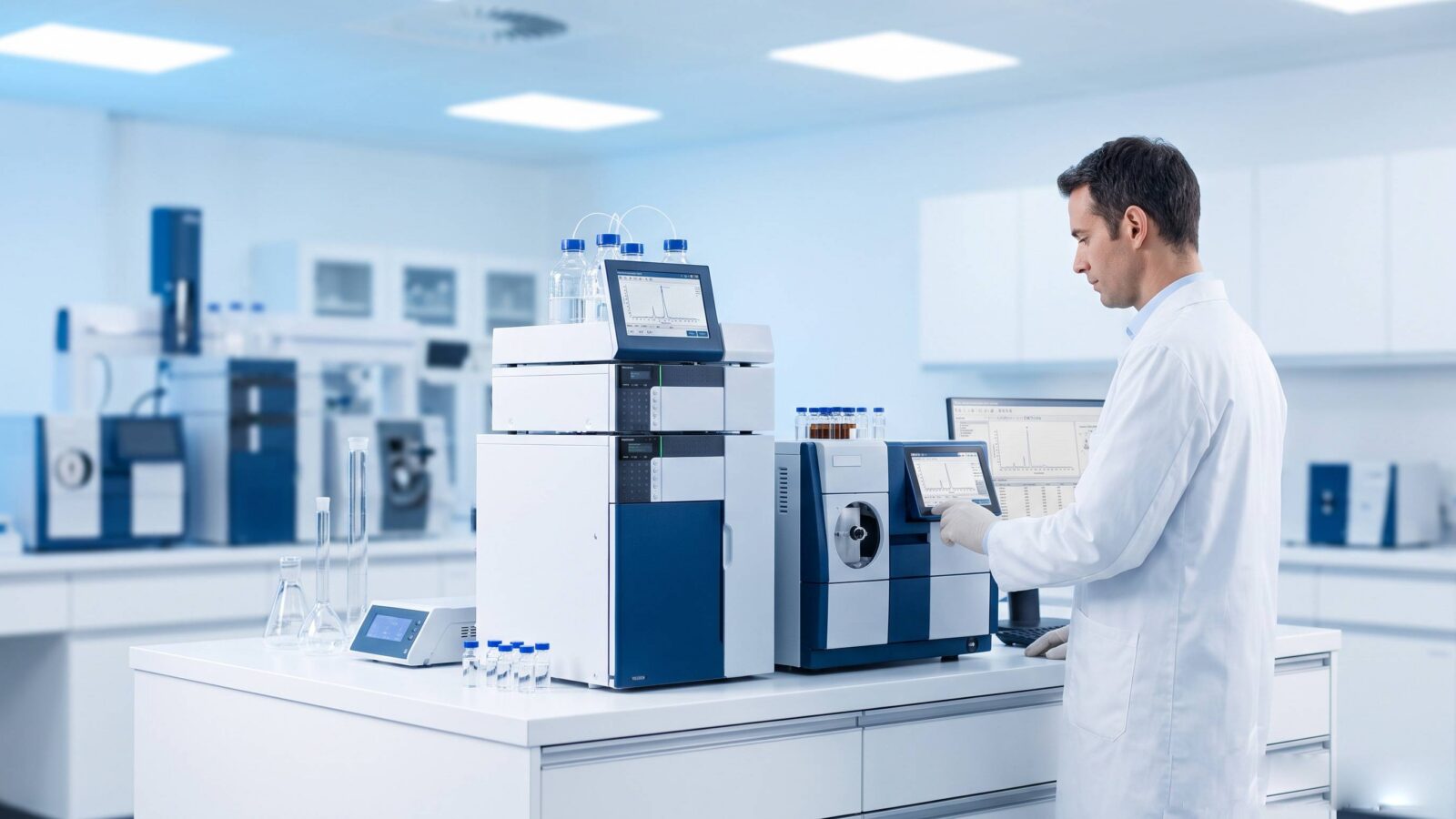
The method should be named explicitly: HPLC-UV, HPLC-MS, or titration. For most modern standardized extracts, HPLC-UV at a specified wavelength is the norm. Titration is acceptable for some older methods.
If the assay value is below specification, do not accept the lot. Ask for a discount, replacement, or supplier-credited replacement.
3. Physical and organoleptic properties
For powders:
– Appearance: fine powder, color description (e.g., “yellow to yellow-brown”)
– Odor: characteristic of the source material (e.g., “characteristic rosemary odor”)
– Taste: characteristic (e.g., “slightly bitter”)
– Particle size: d90 typically below 100 µm for a well-engineered extract
For liquids or emulsions, viscosity, pH, and color are similarly important.
A batch that looks or smells off is a red flag — even if every number on the COA is in spec. Ask for a pre-shipment sample for any new supplier relationship.
4. Loss on drying (LOD) or moisture
For powders, LOD should be below 5% for shelf-stable extracts. Higher moisture content increases the risk of caking, microbiological growth, and shorter shelf life.
If LOD is above 8%, ask why. Some extracts are hygroscopic, but most standardized powders should be below 5%.
5. Heavy metals panel
This is the section that often determines whether your finished product can be sold in your destination market.
Always check the specific limits in your destination market. USP, EP, AAFCO, EU Reg. 2015/186, and ICH Q3D all have slightly different limits.
6. Microbiology panel
At minimum, the COA should report:
– Total plate count (typically below 1,000 CFU/g)
– Yeast and mold (typically below 100 CFU/g)
– Enterobacteriaceae (typically below 100 CFU/g)
– Salmonella (absent in 25 g)
– E. coli (absent or below detection limit)
For heat-processed extracts, the panel is typically clean. For raw botanical powders, more attention is needed.
7. Residual solvents
If the extract was made using ethanol, methanol, or another solvent, the COA should report residual solvent levels. For ethanol extraction of food ingredients, residual ethanol should be below 5,000 ppm (USP).
If the COA does not declare the solvent at all, ask why. In most regulated markets, residual solvent is a required disclosure.
8. Method declarations and signatures
Finally, look for the method declarations (HPLC-UV at wavelength X, ICP-MS for metals, etc.) and the analyst or QA signature. A COA without a method declaration or QA signature is not a real COA — it is a marketing sheet.
How to compare two COAs from two suppliers
When you have two offers for the same ingredient, line up the COAs side by side and compare:
Field
Supplier A
Supplier B
Active compound assay
25.3%
24.8%
LOD
3.2%
4.1%
Heavy metals (Pb)
0.8 ppm
1.2 ppm
Microbiology (TPC)
<100 CFU/g
<500 CFU/g
Lot number / date
Lot 2024-08, fresh
Lot 2024-03, older
Third-party lab
SGS named
“in-house lab”
The supplier with the more recent lot, lower heavy metals, and a named third-party lab is almost always the better choice — even if their price is slightly higher.
Need help interpreting a COA from a new supplier? Send it to us — we will flag the gaps and tell you what to ask for before signing.
Southeast Asia Botanical Extract Import Regulations: Thailand, Vietnam, Malaysia, Indonesia Compared Meta description: Side-by-side comparison of botanical extract import requirements…