
Insights
Sustainability in Botanical Extract Sourcing: What B2B Buyers Need to Know
Sustainability is no longer optional. Learn what certifications and practices matter most when evaluating botanical extract suppliers.
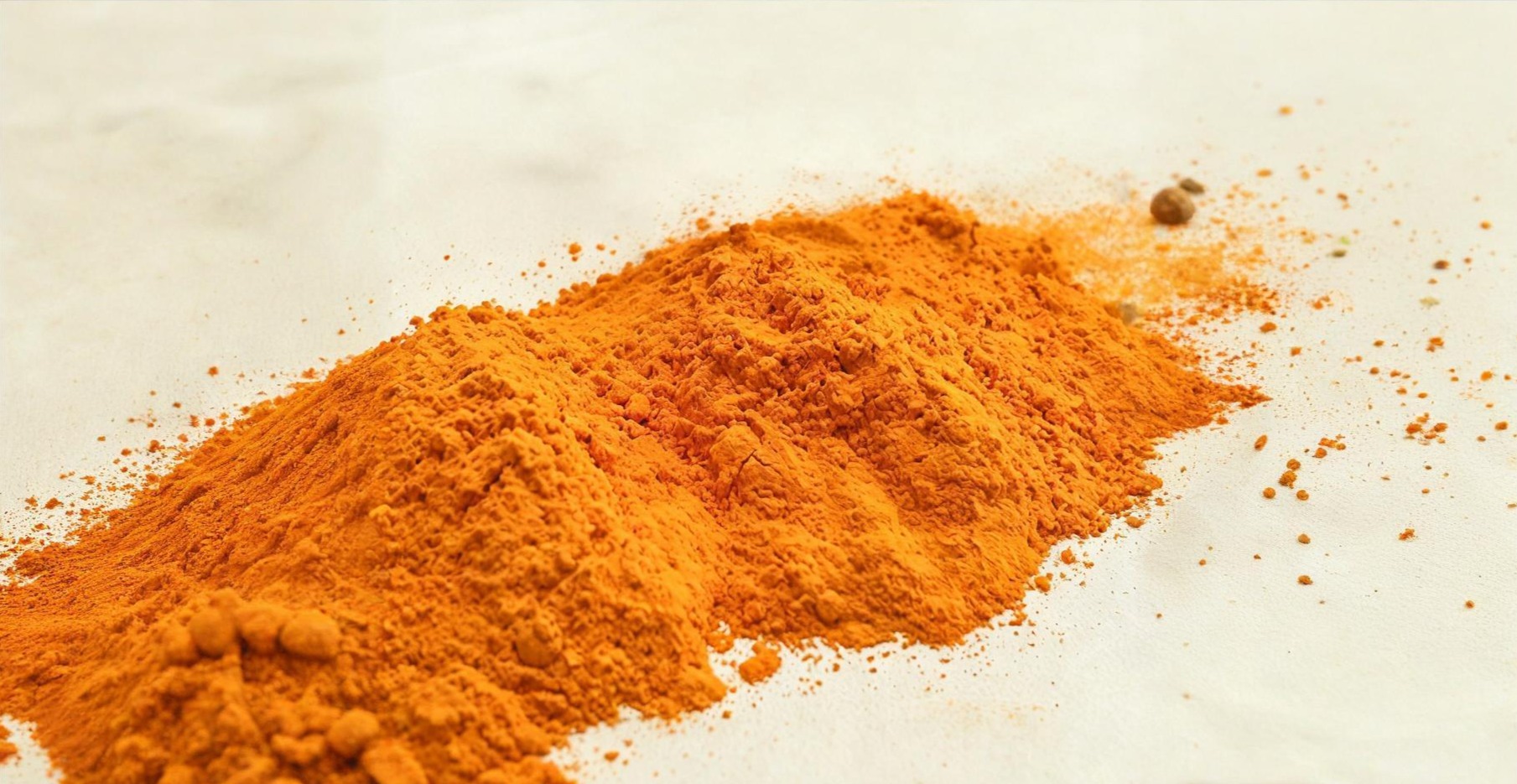
Documentation is the foundation of trust in botanical extract sourcing. Understanding the difference between a COA, an MSDS, and a third-party test report — and knowing when you need each — will help you make smarter procurement decisions.
A COA is a document issued by the manufacturer or supplier that confirms that a specific batch of product meets its published specifications. For botanical extracts, a complete COA typically includes:
Always request the COA for your specific shipment, not just a sample COA. Batch-to-batch variation is normal in natural products — the COA for your actual order is what matters for compliance.
The MSDS (also called SDS — Safety Data Sheet) is a standardized document describing the hazardous properties, handling requirements, first aid measures, and storage conditions of a chemical substance. While most botanical extracts are non-hazardous, an MSDS is still required for:
Ensure your supplier provides an English-language MSDS that complies with the Globally Harmonized System (GHS) format.
Third-party test reports add an independent layer of verification beyond the supplier's internal COA. They are particularly valuable for:
Third-party testing typically adds 5-10 business days to your lead time and costs $200-800 depending on the test panel. Common panels include:
We provide COA per batch, English MSDS for all products, and can arrange SGS, Eurofins, or Intertek testing on request. Contact us to discuss your documentation requirements.
Sustainability is no longer optional. Learn what certifications and practices matter most when evaluating botanical extract suppliers.

Why This Decision Matters for Buyers For US and EU buyers sourcing botanical extracts, the choice between a manufacturer and…
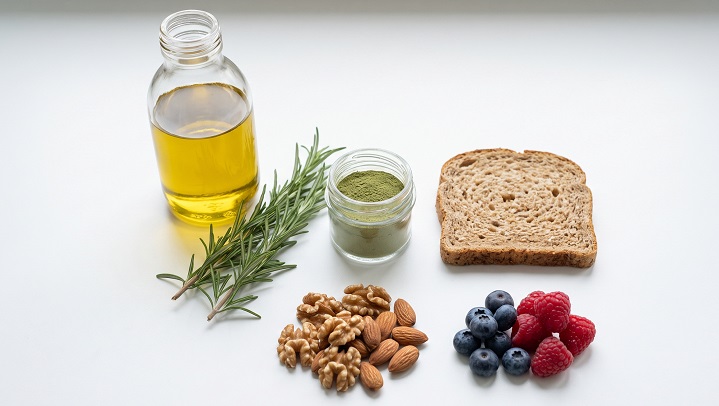
Botanical antioxidants for food preservation: rosemary extract and mixed tocopherols as clean-label alternatives to synthetic preservatives.