
Insights
How to Read a Botanical Extract COA: A B2B Buyer’s Practical Guide
A Certificate of Analysis (COA) is the single most important document in any botanical extract purchase. It tells you what…
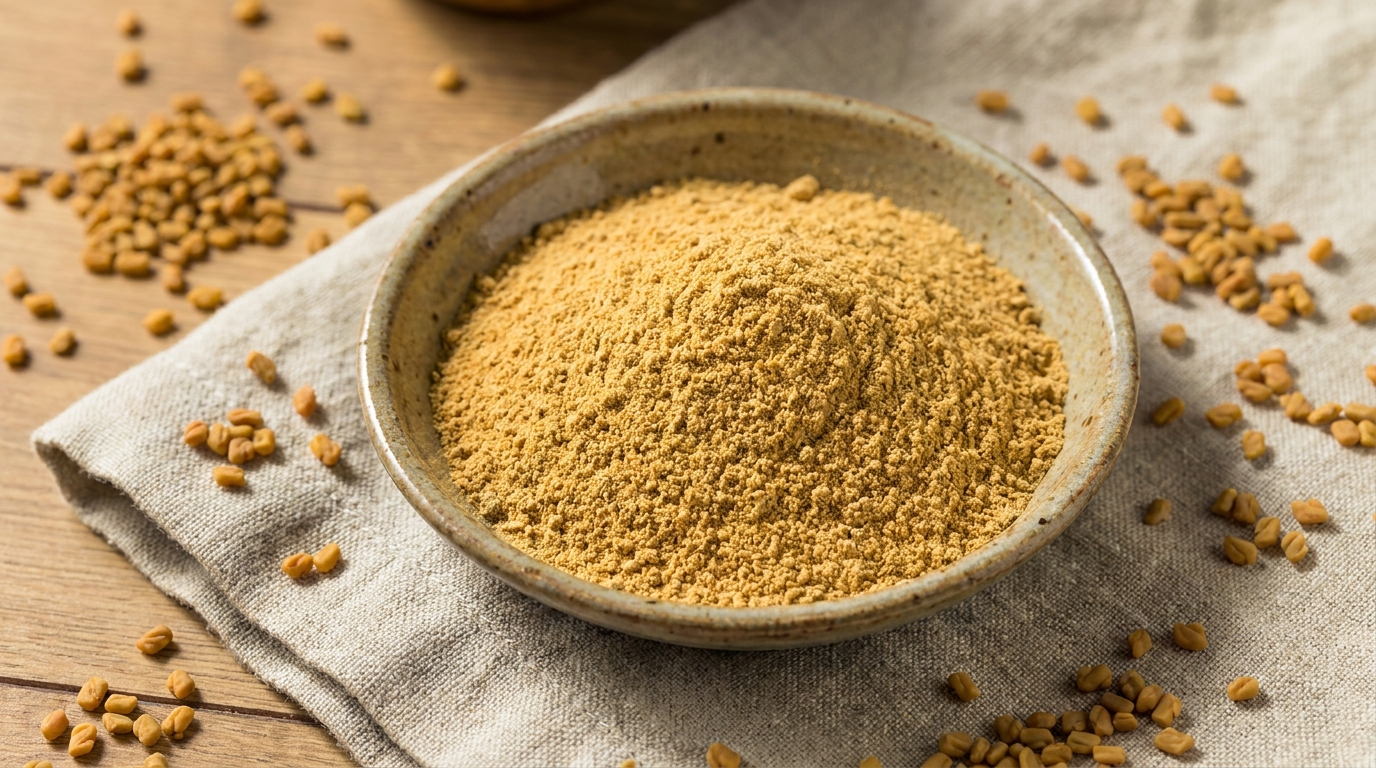
Fenugreek seeds powder (Trigonella foenum-graecum) is a versatile botanical ingredient with growing demand across dietary supplement, functional food, and nutraceutical markets. For industry professionals and sourcing managers, understanding the active compound profile, specification ranges, and quality verification protocols is essential for building compliant and commercially competitive products.
The primary bioactive compounds in fenugreek seeds include 4-hydroxyisoleucine (4-HIL), steroidal saponins (diosgenin, fenugreek saponins), soluble fiber (galactomannan), and protein. Each compound supports different application areas, from metabolic health to lactation support. With saponin standardization at 50% and 4-HIL content verified by HPLC, industry professionals can select specifications that match their target market and dosage requirements.
This guide covers the key fenugreek seeds powder benefits from a procurement perspective, addressing specification selection, application areas, quality verification, and regulatory considerations for US and EU markets.
Fenugreek seeds contain multiple bioactive compounds that drive its commercial value across different product categories:
For buyers, the saponin and 4-HIL specifications are the primary cost drivers. A 50% saponin extract is preferred for testosterone and sports nutrition products, while a 4-HIL-standardized extract is preferred for metabolic health formulations.
Fenugreek seeds powder is widely used in metabolic health formulations due to the dual action of 4-hydroxyisoleucine and galactomannan fiber. 4-HIL stimulates glucose-dependent insulin secretion from pancreatic beta cells, while the soluble fiber slows gastric emptying and reduces postprandial glucose absorption.
For industry professionals targeting the metabolic health supplement category, key considerations include:
When sourcing for metabolic health products, request a COA with verified saponin content (UV method) and 4-HIL content (HPLC method). Confirm that solvent residues meet ICH Q3C limits if solvent extraction is used.
Fenugreek is one of the most commercially significant botanical galactagogues, with extensive traditional use and growing clinical evidence. For industry professionals targeting the maternal and postnatal nutrition category, fenugreek seeds powder offers a well-recognized ingredient with strong consumer awareness.
Key formulation considerations for lactation support products include:
For lactation support products, sourcing organic-certified fenugreek seed extract is often selected by brands targeting the natural maternal health market. Confirm USDA Organic and EU Organic certifications if required.
Selecting the right fenugreek seeds powder specification depends on your target application and regulatory requirements. Key specifications to request from suppliers include:
| Parameter | Typical Range | Test Method |
|---|---|---|
| Saponins (as diosgenin) | 20% – 50% | UV-Vis |
| 4-Hydroxyisoleucine | 2% – 40% | HPLC |
| Particle Size | 80-120 mesh | Sieve analysis |
| Loss on Drying | ≤ 5% | Gravimetric |
| Heavy Metals (Total) | ≤ 10 ppm | ICP-MS |
| Lead (Pb) | ≤ 1 ppm | ICP-MS |
| Arsenic (As) | ≤ 1 ppm | ICP-MS |
| Cadmium (Cd) | ≤ 0.3 ppm | ICP-MS |
| Mercury (Hg) | ≤ 0.1 ppm | ICP-MS |
| Total Plate Count | ≤ 10,000 cfu/g | Plate count |
| Yeast & Mold | ≤ 100 cfu/g | Plate count |
| E. coli / Salmonella | Negative | PCR / cultural |
For sports nutrition applications requesting high saponin content (50%), verify that the extraction process does not use banned substances. For maternal nutrition products, request additional testing for pesticide residues to ensure compliance with baby-safe standards.
buyers should implement a comprehensive quality verification protocol to ensure consistency and compliance:
Fenugreek seed extract is a concentrated form where the bioactive compounds (saponins, 4-HIL) have been extracted and standardized to a specific percentage. Fenugreek seed powder is the ground seed material, which naturally contains lower levels of active compounds. For dietary supplement formulations, standardized extract (e.g., 50% saponins) is preferred. For functional food applications, whole seed powder may be suitable.
Properly stored fenugreek seed extract powder (sealed, protected from light and moisture, at room temperature) has a shelf life of 24-36 months. The COA should specify the recommended storage conditions and retest date.
Yes, but taste masking is often required due to fenugreek’s bitter, maple-like flavor. Water-soluble extract grades are available. For RTD beverages, consider using a debittered extract or encapsulated form to improve palatability.
Typical MOQ ranges from 25 kg to 100 kg depending on the saponin specification and extraction method. Higher saponin grades (50%) and 4-HIL-standardized grades may have higher MOQs. Custom specifications and proprietary blends may require larger commitments.
Yes, fenugreek seed extract is a plant-based ingredient suitable for vegan, vegetarian, halal, and kosher formulations. Confirm that the extraction process does not use animal-derived solvents or processing aids. Request certification documentation if required for your market.
In the US, fenugreek is GRAS and widely used in dietary supplements under DSHEA. Structure-function claims related to metabolic health, lactation support, and sports nutrition are permitted with proper disclaimer language. In the EU, fenugreek is listed in the Community Register of herbal medicinal products in some member states; confirm regulatory status with your compliance team before product launch.
Nourish Ingredients supplies fenugreek seed extract powder standardized to 50% saponins with verified 4-hydroxyisoleucine content. Each batch includes full COA, MSDS, and third-party test documentation. Our facility holds FSSC 22000, BRC, EU Organic, and USDA Organic certifications, meeting the compliance requirements of US and EU buyers.
Ready to request documentation? Contact the support team for current pricing, specification sheets, and sample requests. We support MOQs from 25 kg and offer custom saponin and 4-HIL standardization for specific formulation requirements.
A Certificate of Analysis (COA) is the single most important document in any botanical extract purchase. It tells you what…
Standardized Botanical Extracts: A Buyer’s Guide to Active Content %, Testing Methods, and Supplier Claims Meta description: HPLC vs. UV,…
Regulation EU Novel Food Regulation Update 2026: What Botanical Extract Importers Need to Know June 2026 · 8 min read…