Standardized Gamma-Aminobutyric Acid (GABA) with 99% purity verified by HPLC. Sourced through qualified production partners for dietary supplement manufacturers.
✉ Request COA via Email
Request Free Sample
Request Quote
Available Specifications
Per GAB-001 (Verified 2026-09-20):
| Specification Level | Active Marker |
|---|
| GABA Standard (≥ 99.0%) | HPLC (non-derivative method) |
| GABA Fermented (≥ 98.5%) | HPLC (non-derivative method) |
| Pharma GABA (≥ 99.5%) | HPLC (non-derivative method) |
Specifications subject to product requirements and destination-market regulations.
Product Overview
| Chemical name | Gamma-Aminobutyric Acid (4-aminobutanoic acid) |
| Molecular formula | C4H9NO2 |
| Molecular weight | 103.12 g/mol |
| Active marker | GABA (≥ 99.0% by HPLC non-derivative method) |
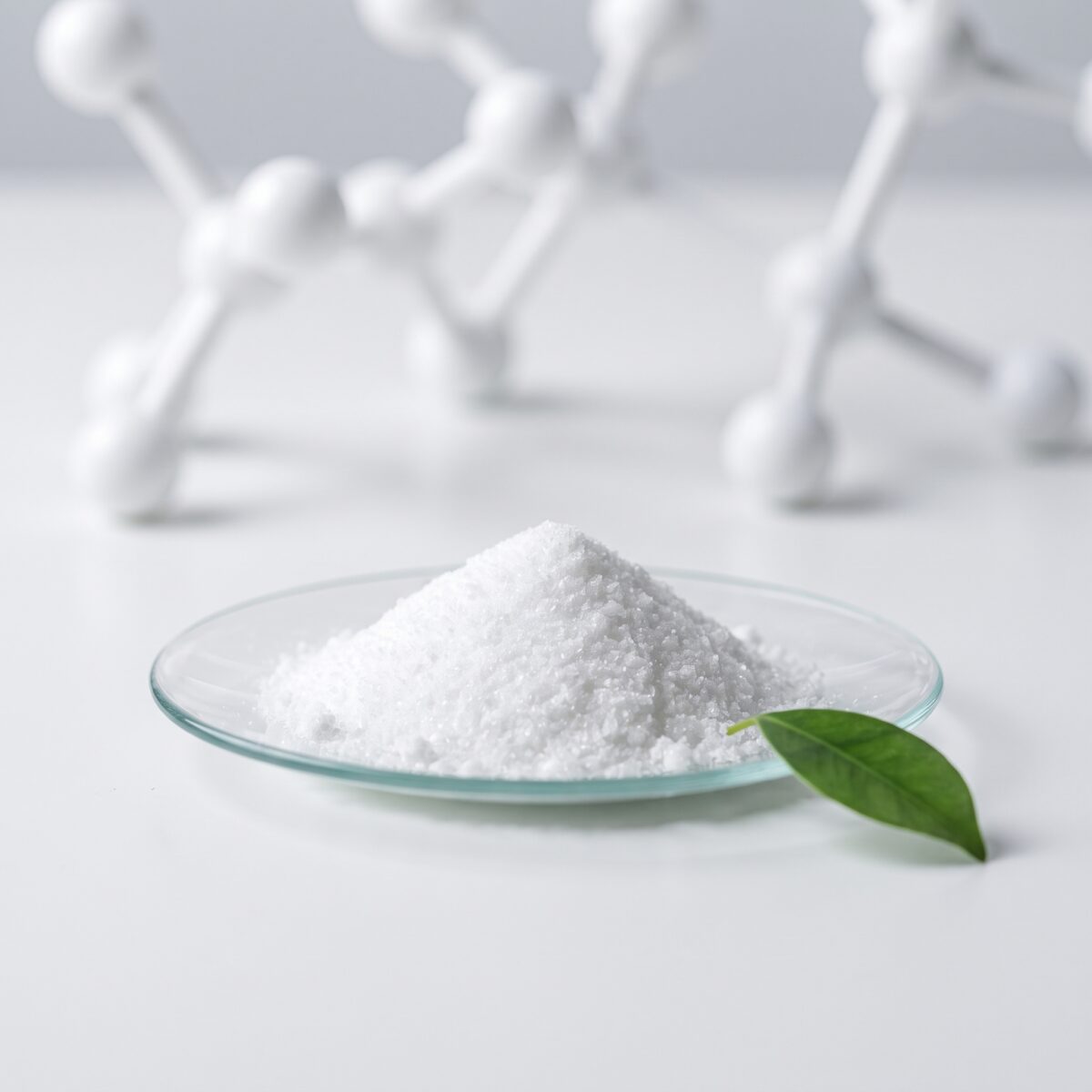
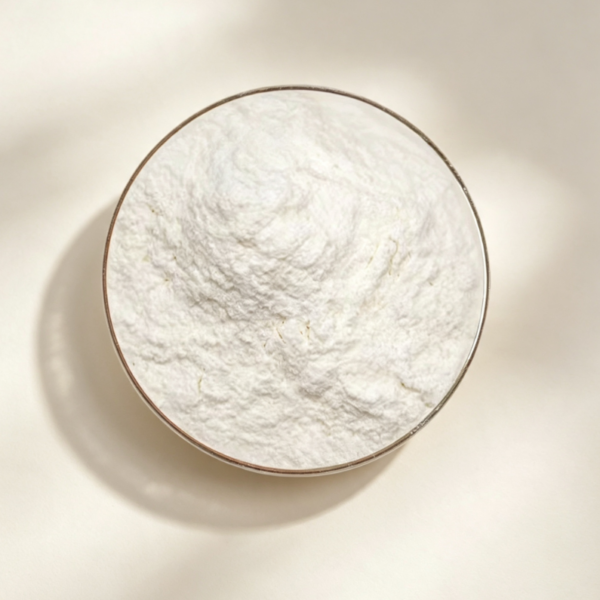
| Form | White crystalline powder |
| CAS No. | 56-12-2 |
| Solubility | Freely soluble in water (≈ 650 g/L @ 25 °C) |
Technical Specifications
| Test Item | Specification | Method |
|---|
| Appearance | White crystalline powder | Visual |
| Odor & Taste | Characteristic, slightly sour | Organoleptic |
| Identification | Conforms to reference standard | FT-IR / HPLC |
| Loss on Drying | ≤ 0.5% | USP <731> |
| Residue on Ignition | ≤ 0.1% | USP <281> |
| pH (10% aqueous solution) | 6.5 – 7.5 | USP <791> |
| Heavy Metals (Pb/As/Cd/Hg) | ≤ 1/1/1/0.1 ppm | ICP-MS |
| Total Plate Count | ≤ 1,000 CFU/g | USP <2021> |
| Yeast & Mold | ≤ 100 CFU/g | USP <2021> |
| E. coli / Salmonella | Negative | USP <2022> |
All specifications subject to product specification and destination-market requirements.
Quality & Documentation
- Certificate of Analysis (COA) per batch with HPLC non-derivative verification of GABA content
- Identity confirmation via FT-IR or HPLC against reference standard
- Heavy metals testing panel (Pb, As, Cd, Hg) via ICP-MS
- Microbiology panel: Total Plate Count, Yeast & Mold, E. coli, Salmonella
- Material Safety Data Sheet (MSDS) documentation
- Non-GMO statement
- Allergen statement
- Pesticide residue testing (multi-residue screen)
- Third-party SGS testing available upon request
Applications
- Dietary Supplements: Considered for use in calming and stress-management formulations.
- Functional Food & Beverage: Considered for fortification in functional beverages (often in combination with L-Theanine).
- Sports Nutrition: Considered for use in pre-workout and recovery formulations.
- Cosmeceuticals: Considered for use in topical skincare formulations.
Why Source from Nourish Ingredients?
- Specification Matching: Three specification levels (98.5%, 99.0%, 99.5%) to match your formulation positioning needs.
- Supplier Verification: Production partners maintain FSSC 22000, BRCGS, EU Organic, USDA Organic certifications.
- Sample Comparison: 25-100g samples available for specification evaluation.
- Third-Party Testing: SGS verification available for GABA content, heavy metals, and microbiology.
- Documentation Support: Comprehensive documentation package including COA, MSDS, allergen, and Non-GMO statements.
Supply & Ordering
- Sample Availability: 25-100g samples available; standard samples ship within 5-7 business days.
- Minimum Order Quantity (MOQ): 25 kg for standard specifications; smaller quantities for evaluation.
- Lead Time: 7-15 business days from order confirmation.
- Packaging: 25 kg fiber drum with double food-grade PE liner; custom packaging available.
- Shipping: Worldwide shipping via air, sea, or courier; documentation prepared for customs clearance.
Frequently Asked Questions
Q1: What's the difference between GABA Standard (99%) and Pharma GABA (99.5%)?
The 99%/99.5% difference reflects GABA purity measured via HPLC non-derivative method. Higher purity is positioned for premium and pharmaceutical applications.
Q2: What is the "non-derivative" HPLC method?
Non-derivative HPLC is a direct quantification method that does not require chemical derivatization of the sample. This is the gold standard for GABA quantification, avoiding conversion artifacts.
Q3: What's the difference between synthetic and fermented GABA?
Synthetic GABA is produced via chemical synthesis; fermented GABA is produced via biological fermentation (Lactobacillus). Fermented GABA may be marketed as natural-origin.
Q4: Can GABA be combined with other ingredients?
GABA is commonly combined with L-Theanine, magnesium, and other calming ingredients. We recommend consulting with your formulation team for specific combinations.
Q5: What's the regulatory status in the EU?
GABA is permitted as a food supplement ingredient in the EU under Novel Food Regulation 2015/2283. Specific regulatory status depends on intended application and labeling.
Q6: How is the GABA content measured?
GABA content is quantified via HPLC with refractive index detection (non-derivative method) per industry-standard methods.
Q7: What's the typical MOQ?
Standard MOQ is 25 kg. Smaller quantities (5-10 kg) are available for evaluation.
Q8: Do you offer custom specifications?
Yes. Custom specifications (e.g., specific purity level, particle size, packaging) can be discussed with our coordination team.
Q9: What documentation is available?
Standard documentation includes COA, MSDS, allergen statement, Non-GMO statement. Additional documentation available upon request from production partners.
Related Resources
Request Sample & Quote
Request Free Sample →
Request Quote →
Compliance Note
Data marked as "typical" reflects industry standards; specific values vary by supplier and batch. Documentation including COA, MSDS, allergen, and Non-GMO documentation is available upon request from production partners.
About Nourish Ingredients: We are a China-based sourcing partner for botanical extracts and nutraceutical ingredients. We coordinate supply for international brands — from specification matching to delivery. Production partners maintain FSSC 22000, BRCGS, EU Organic, USDA Organic, FAMI-QS certifications. Documentation available upon request.
For ingredient sourcing inquiries: ashely@nourishingr.com
Reviewed by: Nourish Ingredients Editorial Team Version: 2.3 Last updated: 2026-09-20