Berberine HCl vs Gymnema Sylvestre: A B2B Formulation Guide (2026)
August 11, 2026 · 6 min read
Every procurement decision on a blood sugar support ingredient starts with the same question: which compound actually fits the formulation. Berberine HCl and gymnema sylvestre are the two most-requested options in this category, and they are often evaluated head-to-head. Both are documented in clinical research, both have standardized grades, and both are widely available. They are not interchangeable, however — the underlying mechanism, standardization, and formulation behavior are different. This guide compares the two for B2B buyers evaluating specifications, evidence, and sourcing considerations.
1. Mechanism of Action
Berberine HCl is a plant-derived isoquinoline alkaloid, typically extracted from Berberis aristata or Phellodendron amurense bark. The primary mechanism documented in studies is the activation of AMPK (adenosine monophosphate-activated protein kinase), an enzyme that regulates cellular energy balance. AMPK activation has been associated with improved insulin sensitivity, modulation of glucose uptake in muscle and liver tissue, and effects on lipid metabolism. Secondary mechanisms include modulation of the gut microbiome and effects on inflammatory signaling pathways. Berberine has low oral bioavailability, which has driven interest in formulation approaches that improve absorption.
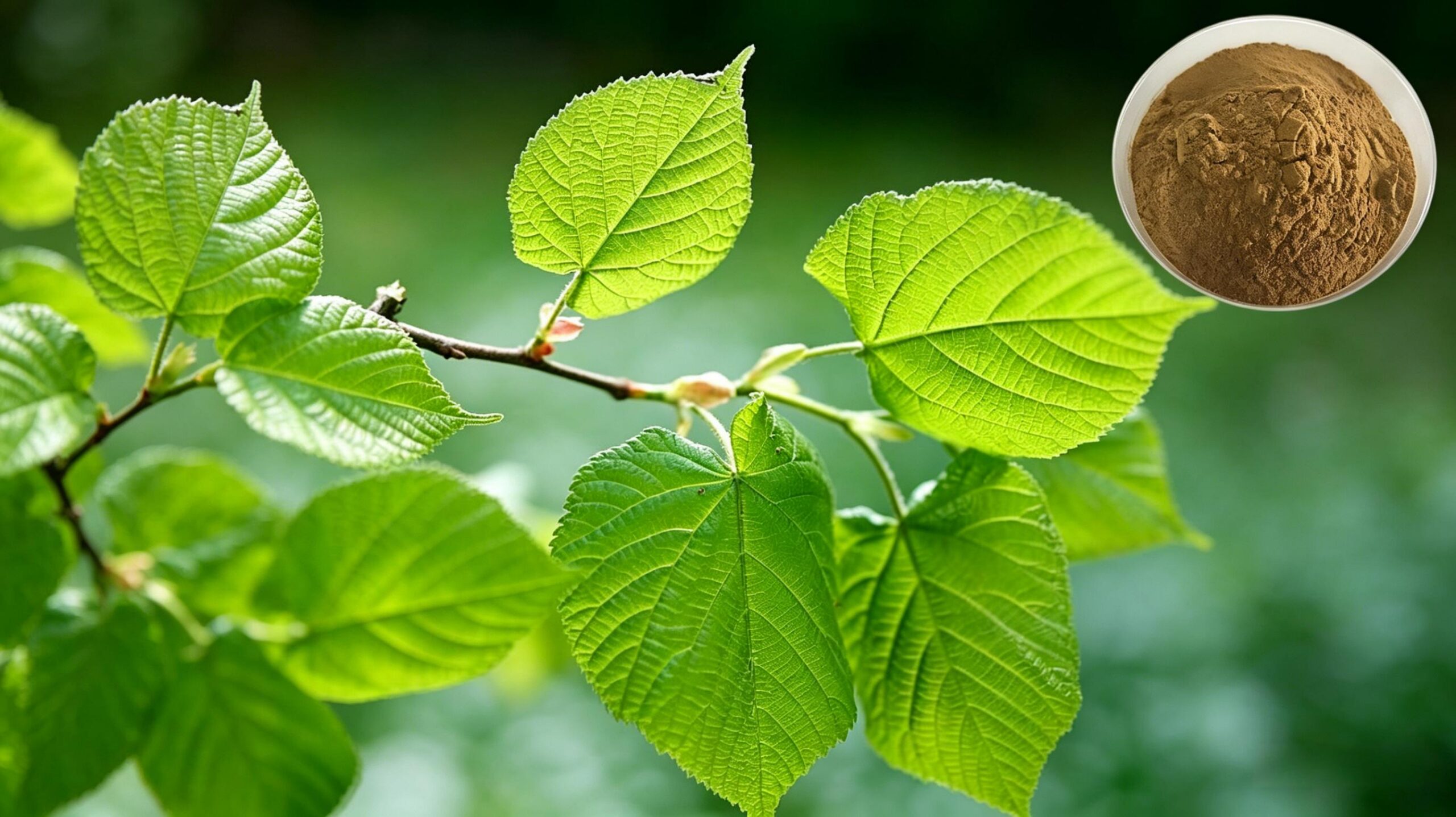
Gymnema sylvestre is a woody climbing shrub native to India and parts of Southeast Asia. The active compounds are a group of triterpene saponins known as gymnemic acids, typically standardized to 25% or 75% of the acid fraction. The mechanism is mechanistically distinct: gymnemic acids bind to taste receptors on the tongue, reducing the perception of sweetness, and have been shown in studies to support pancreatic beta-cell function and may support healthy glucose uptake in the intestine. The dual action on sweet taste perception and glucose handling is the defining characteristic of gymnema relative to berberine.
For formulators: the two compounds act on different pathways, which is why they are often considered complementary in combination products rather than direct substitutes.
2. Specifications and Standardization
Parameter
Berberine HCl
Gymnema Sylvestre
Botanical source
Berberis aristata / Phellodendron amurense
Gymnema sylvestre leaf
Active marker
Berberine HCl content
Gymnemic acids
Standard grades
97%, 98%
25%, 75%
Form
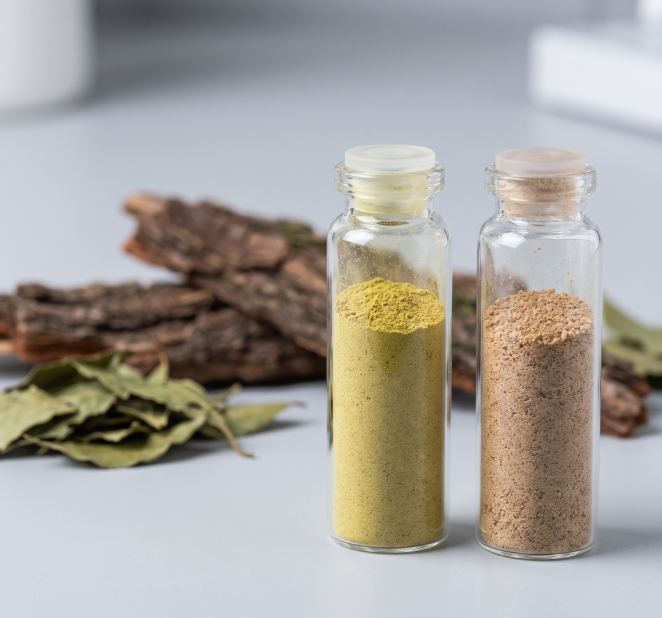
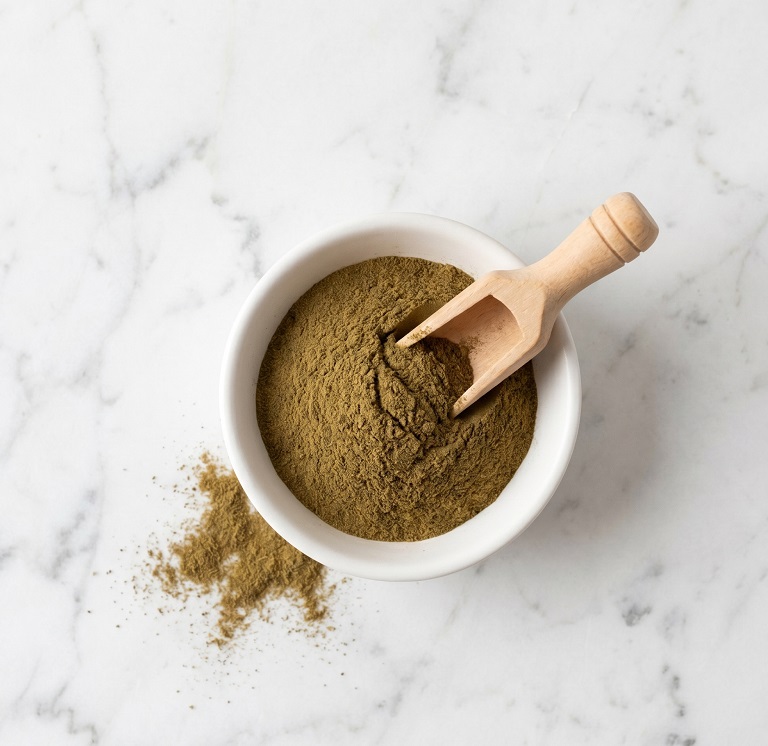
Yellow-green fine powder
Light brown to green-brown powder
Solubility
Water-soluble (HCl salt)
Water-soluble (extract)
CAS Number
633-65-8 (berberine HCl)
90045-43-5 (gymnema extract)
Heavy metals
<10 ppm typical
<10 ppm typical
For formulators: berberine is defined by a single active compound (berberine content by HPLC), which makes specification straightforward. Gymnema is defined by a group of compounds (gymnemic acids), which requires careful sourcing and verification of the acid profile to ensure consistent activity between batches.
3. Clinical Evidence and Research Status
Berberine has been the subject of more than 200 peer-reviewed studies, including randomized controlled trials examining blood sugar, lipid metabolism, and gut health outcomes. The volume of published research is higher than for gymnema, and berberine is included in several major databases of natural product research. The strength of evidence for blood sugar and lipid parameters has been described in meta-analyses, though researchers note variability in study design and formulation.
Gymnema sylvestre has been studied in approximately 50 published clinical and preclinical studies, with a focus on blood sugar management, sweet taste response, and pancreatic function. The evidence base is smaller than berberine, but several studies have specifically examined gymnema in combination with other blood sugar support ingredients. The longest-running research tradition is in traditional Ayurvedic medicine, where gymnema (gurmar) has been documented for centuries.
For formulators: both compounds are supported by peer-reviewed research, but the volume and breadth of evidence differ. Berberine is the more extensively studied option; gymnema is a well-established traditional ingredient with a growing modern evidence base.
4. Formulation Considerations
Berberine HCl formulation notes:
Standard dose range studied is 500 mg taken 2-3 times daily, total 1,000-1,500 mg
Oral bioavailability is low; some formulators combine berberine with piperine or use lipid-based delivery systems
Compatible with most standard excipients
Bitter taste profile; capsule and tablet formats are most common
Stability: stable in dry form, may absorb moisture in humid conditions
Gymnema sylvestre formulation notes:
Standard dose range studied is 400-600 mg of extract per day
Most often delivered in capsule or tablet form
The 25% gymnemic acid grade is suitable for general use; the 75% grade is typically used in more concentrated formulations
The sweet-suppression effect may be noticeable in liquid formulations and should be considered in flavor design
Combination products: a number of commercial formulations combine berberine and gymnema with complementary ingredients such as chromium, cinnamon extract, or alpha-lipoic acid. The two compounds are physically compatible in standard capsule and tablet formats.
5. When to Choose Which
The choice between berberine and gymnema — or the decision to combine them — depends on the formulation target and the mechanism being prioritized.
Scenario
Suggested primary ingredient
AMPK-related metabolic support, broad research base
Berberine HCl
Sweet taste modulation + glucose handling
Gymnema sylvestre
Traditional Ayurvedic positioning
Gymnema sylvestre
Combination metabolic support product
Berberine + Gymnema + complementary ingredients
Formulation with documented insulin sensitivity endpoint
Berberine HCl
Formulation targeting sweet-craving reduction
Gymnema sylvestre
For most commercial metabolic support products, berberine remains the more common primary ingredient due to the larger research base. Gymnema is frequently used as a secondary ingredient in combination formulas, particularly those that emphasize sweet taste modulation or traditional positioning.
6. Sourcing and Documentation Notes
For both ingredients, the documentation package typically includes:
Certificate of Analysis (COA) with HPLC verification of active content
Material Safety Data Sheet (MSDS)
Allergen statement
Microbiological testing
Heavy metals testing
Third-party verification (SGS, Eurofins) on request
The 97%-98% berberine HCl grade is the most commonly traded specification. The 25% and 75% gymnemic acid grades are both widely available, with the 25% grade being more common in single-ingredient products and the 75% grade more often used in combination formulas.
For buyers: specification sheets, COA samples, and isomer or compound profile documentation should be reviewed batch-by-batch. Both ingredients are produced at multiple manufacturing sites, and the standardization of the active marker is the most reliable quality indicator.
Conclusion
Berberine HCl and gymnema sylvestre are two distinct ingredients with different mechanisms, different standardization profiles, and different evidence bases. They are not interchangeable, but they are complementary and frequently used in combination products. The decision between them — or the inclusion of both — depends on the formulation target, the desired mechanism, and the positioning of the finished product. For most B2B buyers, evaluating both specifications side-by-side and reviewing the available documentation is the most practical path to a sourcing decision.
Documentation including COA, MSDS, and specification sheets is available for both ingredients. Samples for evaluation may be requested through standard documentation channels.
Southeast Asia Botanical Extract Import Regulations: Thailand, Vietnam, Malaysia, Indonesia Compared Meta description: Side-by-side comparison of botanical extract import requirements…