
Insights
Carnosic Acid Extraction Methods: B2B Buyer’s Guide (2026)
Compare carnosic acid extraction methods for B2B buyers: CO2 supercritical, solvent, and steam distillation. Specifications and procurement guidance.
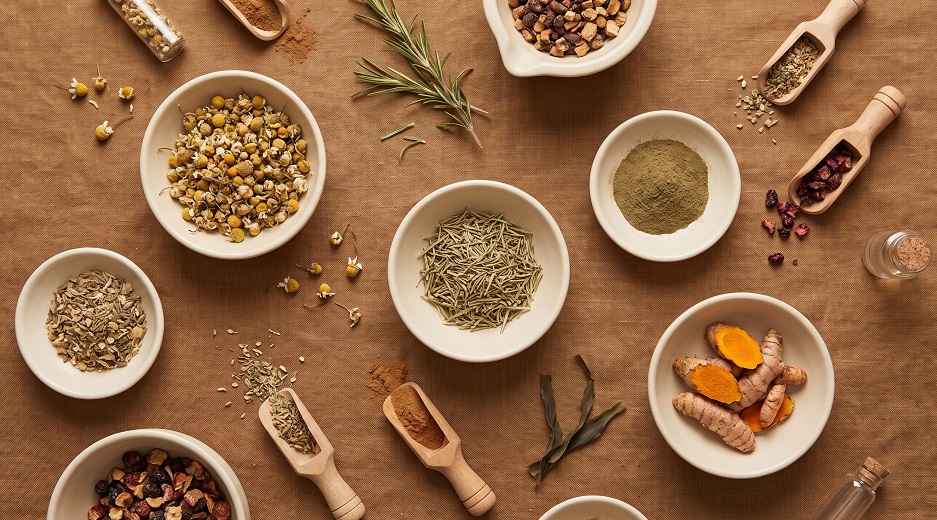
The global pet food market continues to grow, with premium and super-premium segments driving demand for functional ingredients that offer health benefits beyond basic nutrition. Botanical extracts are at the center of this trend, offering pet food manufacturers a way to differentiate their products while addressing consumer demand for natural, functional ingredients.
This buyer’s guide covers the most relevant botanical extracts for pet food applications in 2026, including specification guidance, regulatory considerations, and supplier selection criteria.
Several trends are shaping botanical extract demand in pet food:
For B2B buyers, this means ingredient specifications must satisfy both regulatory requirements and the higher documentation standards expected by premium brands.
Rosemary extract (standardized to 5%-25% carnosic acid) is the most widely adopted natural antioxidant in dry kibble and treat applications. It replaces synthetic antioxidants like BHA, BHT, and ethoxyquin while delivering comparable or superior oxidative stability.
Typical dosage: 150-500 ppm (depending on fat content and target shelf life)
Key specifications: Carnosic acid content (HPLC), oil-soluble vs water-soluble grade, heavy metals, microbiology
For detailed application guidance, see our complete guide to rosemary extract for pet food.
Standardized to 50%-98% EGCG (epigallocatechin gallate), green tea extract provides polyphenol-based antioxidant activity and is increasingly used in functional treats and supplements. Some formulations use green tea extract for palatability enhancement alongside its antioxidant properties.
Typical dosage: 50-200 ppm in finished food; 100-300 mg per chew in supplements
See our green tea extract product page for specification details.
Yucca schidigera extract (standardized to 30%-60% saponins) is widely used in pet food for two purposes: reducing fecal odor through ammonia binding, and supporting palatability in extruded products.
Typical dosage: 100-400 ppm in dry kibble
See our yucca extract product page.
Standardized to 5%-20% lutein, marigold extract (from Tagetes erecta) is used in premium pet food for eye health and macular support, particularly in senior dog and cat formulations.
Typical dosage: 20-100 ppm in finished food; 10-20 mg per chew in supplements
Standardized to 5%-30% flavonoids and vitamin C content, sea buckthorn (Hippophae rhamnoides) extract supports skin and coat health in dogs and cats through omega fatty acids and antioxidant polyphenols.
Standardized to 95%-98% curcuminoids, turmeric extract is used in senior pet formulations for joint support. Bioavailability is a common challenge; formulations often pair curcumin with piperine or lipid-based delivery systems.
Typical dosage: 50-200 mg per chew in joint support supplements
Standardized to 80% silymarin (with 30% silybin), milk thistle extract is included in liver support formulations for pets, particularly in therapeutic diets.
Standardized to 5%-25% anthocyanins, elderberry extract is used in seasonal immune support products for dogs and cats.
Most botanical extracts are sensitive to the high temperatures (110-150°C) and pressures of extrusion processing. Water-soluble grades with proper encapsulation or post-extrusion coating typically deliver the best retention of active compounds.
Botanical extracts can affect palatability, especially in cats. Rosemary, turmeric, and milk thistle all have characteristic flavors that may require palatant adjustment. Always conduct palatability trials with the target species before commercial release.
Many botanical extracts work synergistically. For example:
The Association of American Feed Control Officials (AAFCO) defines ingredient definitions for animal feeds, including pet food. Botanical extracts used in pet food must:
Note that “natural” and “holistic” claims are not formally regulated but should be supportable.
Botanical extracts used in pet food fall under Regulation (EC) No 767/2009 on the marketing and use of feed. The European Food Safety Authority (EFSA) maintains a register of feed additives; some botanical extracts require pre-market authorization.
Canada, Japan, Australia, and South Korea each have their own pet food regulations. Major brands typically maintain a regulatory matrix that maps ingredient approvals across all target markets.
For every botanical extract used in pet food, the following quality parameters should be documented in the supplier COA:
| Parameter | Typical Specification | Test Method |
|---|---|---|
| Active compound content | As specified (e.g., 25% carnosic acid) | HPLC |
| Loss on drying | < 5% | USP <731> |
| Heavy metals (total) | < 10 ppm | ICP-MS |
| Lead | < 3 ppm | ICP-MS |
| Arsenic | < 1.5 ppm | ICP-MS |
| Cadmium | < 1 ppm | ICP-MS |
| Mercury | < 0.1 ppm | ICP-MS |
| Total plate count | < 1,000 CFU/g | USP <61> |
| Yeast & mold | < 100 CFU/g | USP <61> |
| E. coli | Negative | USP <62> |
| Salmonella | Negative / 25g | USP <62> |
When evaluating botanical extract suppliers for pet food applications, consider the following factors:
Look for FSSC 22000, BRC, and FAMI-QS certifications. These indicate that the supplier operates under recognized food/feed safety management systems.
View our quality certifications for reference.
Reputable suppliers provide:
Suppliers that control their own raw material sourcing, extraction, and standardization typically deliver better consistency than traders who source finished extracts from multiple producers.
Look for suppliers offering small sample quantities (1-5 kg) at commercial pricing for trial work. Avoid suppliers requiring commercial MOQs (typically 25 kg+) before sampling.
The best suppliers provide formulation guidance, application testing, and reformulation support beyond the basic product sale.
For B2B buyers, a reliable botanical extract supply chain requires:
If you’re building or expanding a botanical extract portfolio for pet food, start with a focused ingredient list aligned to your product positioning, then qualify suppliers using the criteria above.
Nourish Ingredients supplies a broad portfolio of botanical extracts for pet food applications, including rosemary extract, green tea extract, yucca extract, marigold extract, and others. All products are manufactured under FSSC 22000, BRC, KOSHER, HALAL, and FAMI-QS certified processes with complete documentation for international distribution.
For samples, specification sheets, or formulation guidance, contact our team.
Compare carnosic acid extraction methods for B2B buyers: CO2 supercritical, solvent, and steam distillation. Specifications and procurement guidance.
Reb M (Rebaudioside M) Stevia Sweetener: Industry professional’s Complete Guide Introduction For industry professionals developing sugar-reduced or zero-sugar products, Reb…

Why US Buyers Need Specialized Botanical Extract Suppliers The United States is the world’s largest importer of botanical extracts, with…