Rosemary Extract vs Synthetic Antioxidants: B2B Comparison
June 27, 2026 · 6 min read
For decades, synthetic antioxidants like BHA (butylated hydroxyanisole), BHT (butylated hydroxytoluene), and TBHQ (tert-butylhydroquinone) have been the default solution for fat oxidation control in food and pet food. However, growing consumer demand for clean-label products has shifted interest toward rosemary extract as a natural alternative.
This comparison examines both options across the dimensions that matter for B2B procurement decisions: efficacy, regulatory status, consumer perception, and cost.
The Synthetic Antioxidant Landscape
Three synthetic antioxidants dominate the food and pet food markets:
BHA (Butylated Hydroxyanisole)
A fat-soluble antioxidant effective at low concentrations (100-200 ppm). Used extensively in breakfast cereals, snack foods, fats and oils, and pet food. Listed as “reasonably anticipated to be a human carcinogen” by the US National Toxicology Program, though regulatory bodies continue to permit its use at specified limits.
BHT (Butylated Hydroxytoluene)
Similar to BHA in mechanism and application. Widely used in packaging materials, food products, and cosmetics. BHT has been the subject of long-running consumer concern despite regulatory approval.
TBHQ (tert-Butylhydroquinone)
The most effective synthetic antioxidant for highly unsaturated oils. Permitted at levels up to 0.02% of fat content in many markets. Banned in some countries including Japan and parts of the EU for certain applications.
Ethoxyquin
Although highly effective, ethoxyquin has been removed from most pet food formulations due to safety concerns and consumer backlash. Currently permitted only in specific feed applications.
Rosemary Extract as a Natural Alternative
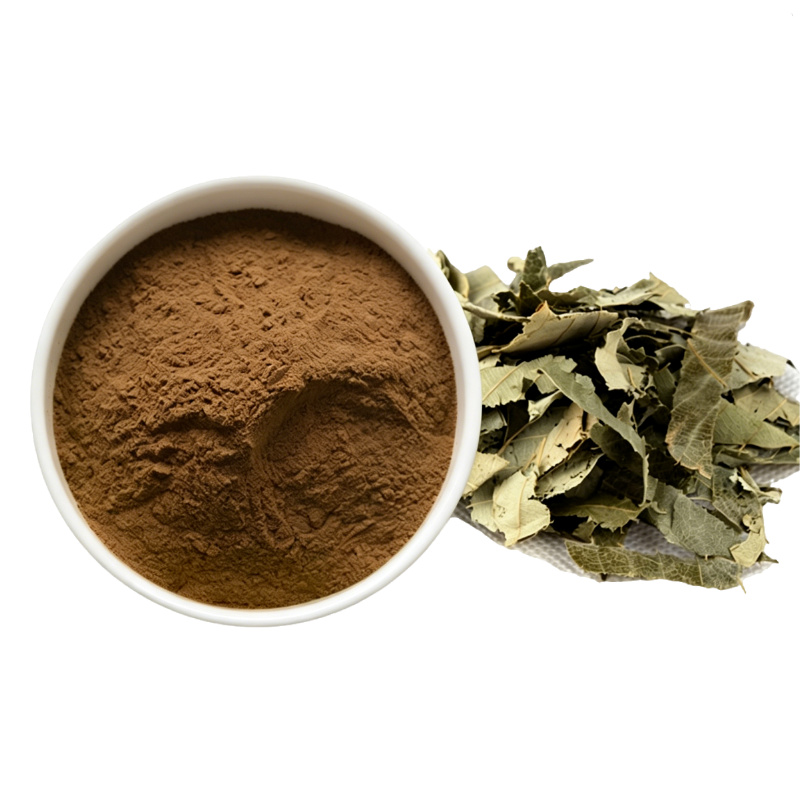
Rosemary extract (Rosmarinus officinalis) contains two primary antioxidant compounds — carnosic acid and rosmarinic acid — that deliver effective oxidative protection without synthetic additives.
Commercial rosemary extracts are standardized to 5%-25% carnosic acid content, with both oil-soluble and water-soluble grades available for different application formats.
Multiple peer-reviewed studies have compared rosemary extract with synthetic antioxidants. Key findings include:
Bulk oils: TBHQ typically outperforms rosemary extract at equivalent concentrations, but rosemary extract combined with citric acid or ascorbic acid performs comparably
Meat and meat products: Rosemary extract performs similarly to BHA/BHT for oxidative stability, with some studies showing superior color retention
Dry pet food: Rosemary extract at 200-400 ppm delivers equivalent oxidative stability to 100-150 ppm BHA/BHT over 12-month shelf life
Baked goods: Rosemary extract shows slightly lower performance at high temperatures; encapsulation can mitigate this
The general conclusion: at optimized dosages, rosemary extract can match synthetic antioxidant performance in most food and pet food applications.
Regulatory Considerations
United States (FDA)
Both synthetic antioxidants and rosemary extract are FDA-permitted. Rosemary extract is GRAS (Generally Recognized as Safe) for food applications. For pet food, both fall under AAFCO definitions.
European Union (EFSA)
Rosemary extract is approved as a food additive (E392) with maximum levels varying by application. BHA (E320) and BHT (E321) are permitted with restrictions on certain foods. TBHQ is not permitted in the EU for most food applications.
Other Markets
Canada, Japan, Australia, and South Korea each have their own approval frameworks. Synthetic antioxidants face increasing restrictions in multiple markets, while rosemary extract faces fewer limitations.
Consumer Trends Driving the Shift
Several consumer trends are accelerating the shift from synthetic to natural antioxidants:
1. Clean-Label Demand
Surveys consistently show 60-75% of consumers prefer products with recognizable, pronounceable ingredients. “Rosemary extract” reads positively on a label; “BHA” or “BHT” often generates concern.
2. Pet Humanization
Pet owners increasingly apply human food standards to pet food. Synthetic preservatives in pet food face particularly strong consumer backlash, with major brands reformulating to remove them.
3. Natural and Organic Positioning
Products certified organic or “all-natural” cannot include synthetic antioxidants. Rosemary extract enables these premium positioning claims.
4. Media and Activist Pressure
Ongoing media coverage of synthetic additive concerns creates reputational risk for brands using BHA/BHT, even when usage complies with regulations.
Cost Considerations
Per kilogram of ingredient, synthetic antioxidants cost significantly less than rosemary extract. However, cost-in-use calculations tell a more nuanced story:
Example: Dry Pet Food (15% fat content)
Antioxidant
Dosage
Cost/kg Antioxidant
Cost per Ton of Finished Product
BHA/BHT blend
150 ppm
$12
$1.80
Rosemary extract (15% carnosic acid)
300 ppm
$80
$24.00
Rosemary extract (25% carnosic acid)
200 ppm
$150
$30.00
The cost premium for rosemary extract at equivalent performance is approximately $22-28 per ton of finished product — or about 2-3 cents per pound. For premium pet food products, this premium is typically recoverable through clean-label pricing.
When Synthetic Antioxidants Still Make Sense
Despite consumer trends, synthetic antioxidants retain advantages in certain scenarios:
Highly unsaturated oils: Fish oils and high-PUFA formulations may still benefit from TBHQ (where permitted) for maximum stability
Extreme processing conditions: High-temperature extrusion or frying may exceed rosemary extract’s thermal stability
Cost-sensitive commodity products: Economy product lines where every cent of cost matters
Long distribution chains: Multi-year shelf life in challenging storage conditions
In these cases, hybrid systems (synthetic + rosemary extract) can balance performance and clean-label positioning.
Hybrid Approaches: Best of Both Worlds
Many formulators now use hybrid antioxidant systems:
Synthetic primary + rosemary secondary: Lower overall synthetic content, with rosemary for clean-label positioning
Rosemary primary + ascorbic acid secondary: Natural system with citric acid or ascorbic acid for synergy
Encapsulated rosemary: Improved heat stability while maintaining natural positioning
These hybrid approaches are increasingly common in mid-market product lines that need to balance cost, performance, and clean-label positioning.
Decision Framework: Synthetic vs Rosemary
For B2B buyers, the choice between synthetic and natural antioxidants depends on your specific situation:
Choose synthetic (BHA/BHT/TBHQ) if: cost is the primary driver, processing conditions are extreme, or shelf life requirements exceed 18 months in challenging conditions
Choose rosemary extract if: clean-label positioning is critical, target market includes EU or premium retail, or you offer natural/organic product lines
Choose hybrid if: you need balance between cost and clean-label positioning, or you’re transitioning an existing product line
Next Steps: Sourcing Rosemary Extract
If you’re considering the transition from synthetic antioxidants to rosemary extract, request samples at multiple carnosic acid concentrations (5%, 15%, 25%) and conduct oxidative stability trials over 12 weeks under your packaging conditions.