
Dietary Supplements
Weight Management Supplements: Active Ingredients & Sourcing Guide
Weight management supplements represent one of the largest and most dynamic segments in the global dietary supplement market. For B2B…
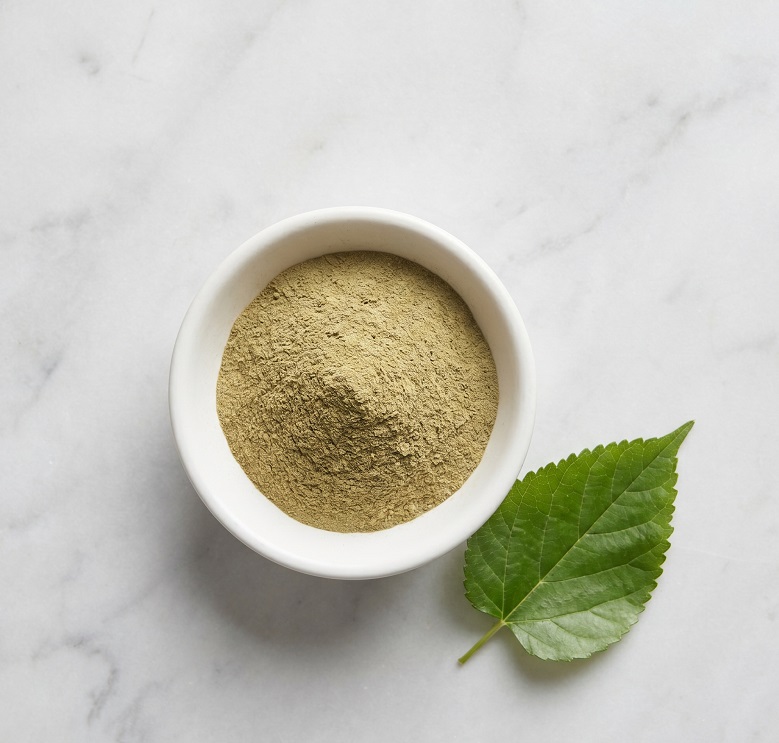
1-Deoxynojirimycin (DNJ) is the defining bioactive in mulberry leaf (Morus alba) extract—and its concentration determines everything from your cost structure to your health claim positioning. This guide cuts through the marketing noise to give B2B ingredient buyers the practical information they need to select the right DNJ grade for their formulation.
DNJ is an alpha-glucosidase inhibitor. By blocking the enzymes that break down complex sugars in the small intestine, DNJ reduces postprandial (post-meal) blood glucose spikes. This mechanism makes mulberry leaf extract a valuable functional ingredient for:
But here’s the critical point: raw mulberry leaf contains only 0.1–0.5% DNJ by dry weight. Without standardization, a “mulberry leaf extract” could contain almost no active compound at all. Standardization to a defined DNJ level is the only way to ensure consistent physiological effects.
The most affordable standardized grade. Appropriate for multi-ingredient formulations where DNJ is one of several active compounds.
Key characteristics:
The workhorse grade for single-ingredient blood sugar support products. Balance of cost and efficacy.
Key characteristics:
The preferred grade for professional-grade or therapeutic-level formulations. Strong clinical data backing at this concentration.
Key characteristics:
High-potency extract for formulations targeting significant blood sugar management effects.
Key characteristics:
Rare, highly purified extract. Used primarily in pharmaceutical research and high-spec TCM formulations.
Key characteristics:
Understanding the mechanism helps you explain the difference between grades to your end customers:
DNJ is often compared to the pharmaceutical acarbose—but at much lower potency per milligram. This is why supplement dosages are higher than pharmaceutical doses.
Clinical studies on mulberry leaf extract and DNJ:
Key takeaway: 2–5% DNJ extracts have the most robust human clinical data. Higher concentrations (10%+) show stronger in vitro activity but have fewer published human trials at equivalent doses.
Target consumers: people managing weight through calorie control (reduced sugar absorption). The postprandial glucose reduction mechanism supports:
Recommendation: 2–5% DNJ extract at 300–500 mg per serving. Stack with L-carnitine or green coffee bean extract for synergistic weight management effects.
Target consumers: pre-diabetic and type 2 diabetic patients seeking natural support. Position as adjunct to diet and exercise.
Recommendation: 5% DNJ extract at 300 mg per serving. Combine with berberine (400–500 mg), chromium, and alpha-lipoic acid for multi-pathway blood sugar support.
Emerging market for blood sugar management drinks, particularly in Japan and Southeast Asia.
Recommendation: 1–2% DNJ extract (water-soluble formulation required). 100–200 mg DNJ per serving in 100–250 mL beverage format. Note: DNJ is water-soluble, making it ideal for beverages unlike oil-soluble extracts.
Mulberry leaf (Sang Ye) has a 2,000-year history in TCM for “clearing heat and reducing lung fire.” Modern DNJ research validates traditional use.
Recommendation: 1–2% DNJ extract as traditional preparation or modern standardized extract. Often combined with other TCM herbs in classic formulas.
The three most studied botanical blood sugar ingredients work through complementary mechanisms:
Combination products are increasingly popular in the blood sugar support category. A typical combination:
Request quotes with these specifications:
Weight management supplements represent one of the largest and most dynamic segments in the global dietary supplement market. For B2B…
Application How Rosemary Extract Extends Shelf Life in Food: A Formulator's Guide June 2026 · 6 min read As consumer…
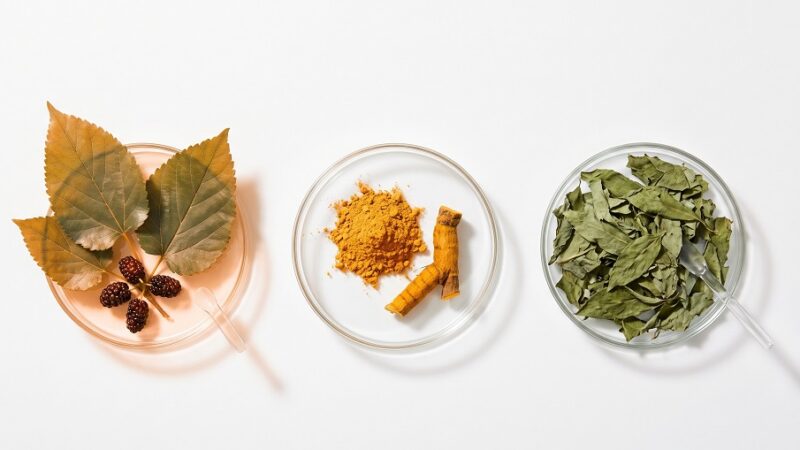
For formulators of metabolic health supplements, three botanical ingredients stand out for their evidence base and mechanism diversity: mulberry leaf…