Standardized Mulberry (Morus alba) Leaf Extract with 1-Deoxynojirimycin (DNJ) 1% / 5% / 10% specifications. Sourced through qualified production partners for dietary supplement manufacturers.
✉ Request COA via Email
Request Free Sample
Request Quote
Available Specifications
Per MLB-001 (Verified 2026-09-20):
| Specification Level | Active Marker |
|---|
| Mulberry Leaf Extract DNJ 1% (Standard) | HPLC |
| Mulberry Leaf Extract DNJ 5% (Premium) | HPLC |
| Mulberry Leaf Extract DNJ 10% (High-Purity) | HPLC |
Specifications subject to product requirements and destination-market regulations.
Product Overview
| Botanical source | Morus alba (mulberry leaf) |
| Part used | Leaf |
| Active marker | 1-Deoxynojirimycin (DNJ, iminosugar / alpha-glucosidase inhibitor) |
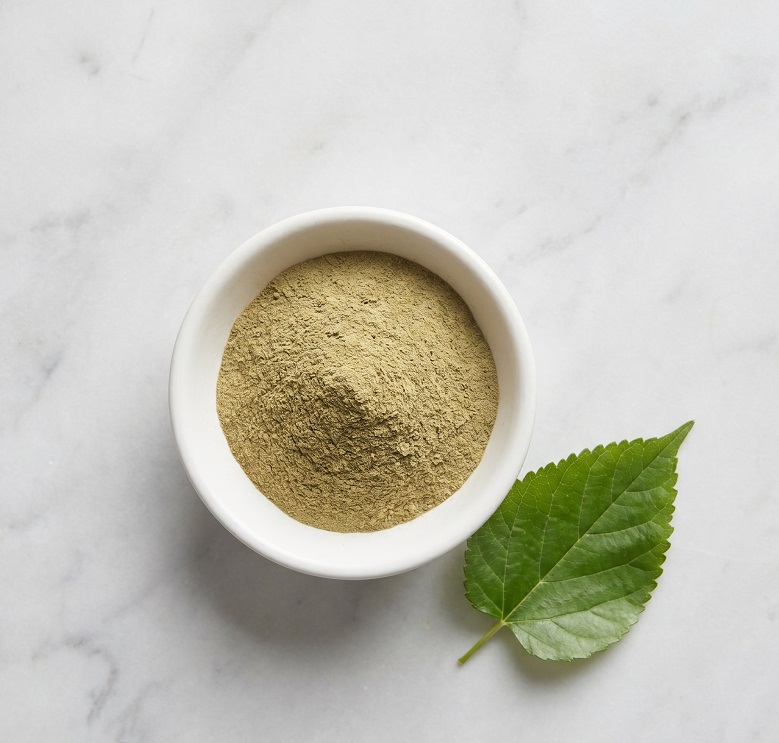
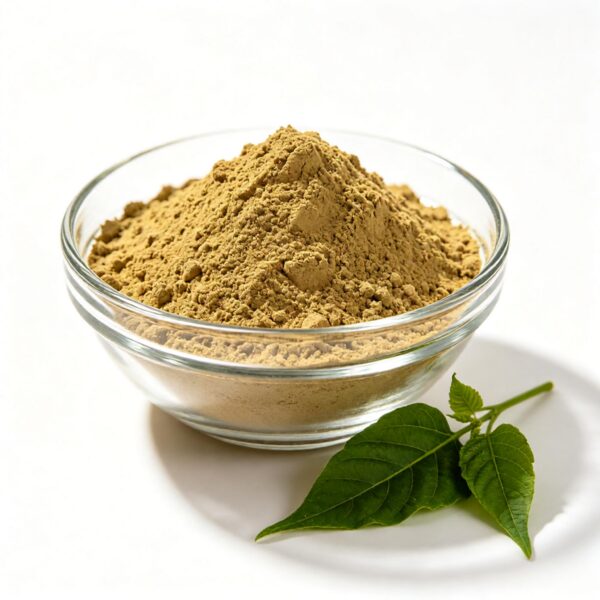
| Form | Brown to dark brown fine powder |
| CAS No. | 19130-96-2 (1-Deoxynojirimycin); 94167-05-2 (Morus alba leaf extract) |
Technical Specifications
| Test Item | Specification | Method |
|---|
| Appearance | Brown to dark brown fine powder | Visual |
| Odor & Taste | Characteristic, slightly bitter | Organoleptic |
| DNJ Assay | ≥ 1.0%, ≥ 5.0%, or ≥ 10.0% | HPLC |
| Loss on Drying | ≤ 5.0% | USP <731> |
| Heavy Metals (Pb/As/Cd/Hg) | ≤ 3/1/1/0.1 ppm | ICP-MS |
| Total Plate Count | ≤ 1,000 CFU/g | USP <2021> |
| Yeast & Mold | ≤ 100 CFU/g | USP <2021> |
| E. coli / Salmonella | Negative | USP <2022> |
All specifications subject to product specification and destination-market requirements.
Quality & Documentation
- Certificate of Analysis (COA) per batch with HPLC verification of DNJ
- Heavy metals testing panel (Pb, As, Cd, Hg) via ICP-MS
- Microbiology panel per USP
- Material Safety Data Sheet (MSDS) documentation
- Non-GMO statement
- Allergen statement
- Pesticide residue testing (multi-residue screen)
- Third-party SGS testing available upon request
Applications
- Dietary Supplements: Considered for use in carbohydrate metabolism support formulations.
- Functional Food & Beverage: Considered for fortification in functional beverages (often with chromium and gymnema).
- Traditional Herbal Preparations: Suitable for use in traditional Chinese medicine (TCM) and Japanese kampo formulations.
- Sports Nutrition: Considered for use in body composition and metabolic support formulations.
Why Source from Nourish Ingredients?
- Specification Matching: Three DNJ levels (1%, 5%, 10%) for formulation flexibility.
- Supplier Verification: Production partners maintain FSSC 22000, BRCGS, EU Organic, USDA Organic certifications.
- Sample Comparison: 25-100g samples available for specification evaluation.
- Third-Party Testing: SGS verification available for DNJ, heavy metals, and microbiology.
- Documentation Support: Comprehensive documentation package including COA, MSDS, allergen, and Non-GMO statements.
Supply & Ordering
- Sample Availability: 25-100g samples available; standard samples ship within 5-7 business days.
- Minimum Order Quantity (MOQ): 25 kg for standard specifications; smaller quantities for evaluation.
- Lead Time: 7-15 business days from order confirmation.
- Packaging: 25 kg fiber drum with double food-grade PE liner; custom packaging available.
- Shipping: Worldwide shipping via air, sea, or courier; documentation prepared for customs clearance.
Frequently Asked Questions
Q1: What's the difference between DNJ 1%, 5%, and 10%?
The 1%/5%/10% difference reflects 1-Deoxynojirimycin content measured via HPLC. Higher DNJ content is positioned for premium and high-efficacy applications.
Q2: What is DNJ (1-Deoxynojirimycin)?
DNJ is a naturally occurring iminosugar found in mulberry leaves. It is considered a potent alpha-glucosidase inhibitor and is used as a standardization marker for mulberry leaf extracts.
Q3: Can Mulberry Leaf Extract be combined with other ingredients?
Mulberry Leaf Extract is commonly combined with Gymnema, Chromium, Berberine, and Cinnamon in metabolic support formulations. We recommend consulting with your formulation team.
Q4: What's the regulatory status in the EU?
Mulberry Leaf Extract is permitted as a food supplement ingredient in the EU. Specific regulatory status depends on intended application and labeling.
Q5: How is DNJ content measured?
DNJ content is quantified via HPLC with refractive index or evaporative light scattering detection per industry-standard methods.
Q6: What's the typical MOQ?
Standard MOQ is 25 kg. Smaller quantities (5-10 kg) are available for evaluation.
Q7: Do you offer custom specifications?
Yes. Custom specifications (e.g., specific DNJ content, particle size, packaging) can be discussed with our coordination team.
Q8: What documentation is available?
Standard documentation includes COA, MSDS, allergen statement, Non-GMO statement. Additional documentation available upon request from production partners.
Related Resources
Request Sample & Quote
Request Free Sample →
Request Quote →
Compliance Note
Data marked as "typical" reflects industry standards; specific values vary by supplier and batch. Documentation including COA, MSDS, allergen, and Non-GMO documentation is available upon request from production partners.
About Nourish Ingredients: We are a China-based sourcing partner for botanical extracts and nutraceutical ingredients. We coordinate supply for international brands — from specification matching to delivery. Production partners maintain FSSC 22000, BRCGS, EU Organic, USDA Organic, FAMI-QS certifications. Documentation available upon request.
For ingredient sourcing inquiries: ashely@nourishingr.com
Reviewed by: Nourish Ingredients Editorial Team Version: 2.3 Last updated: 2026-09-20