

Industry Insights
Botanical Extracts in Pet Food: 2026 Buyer’s Guide
The global pet food market continues to grow, with premium and super-premium segments driving demand for functional ingredients that offer…
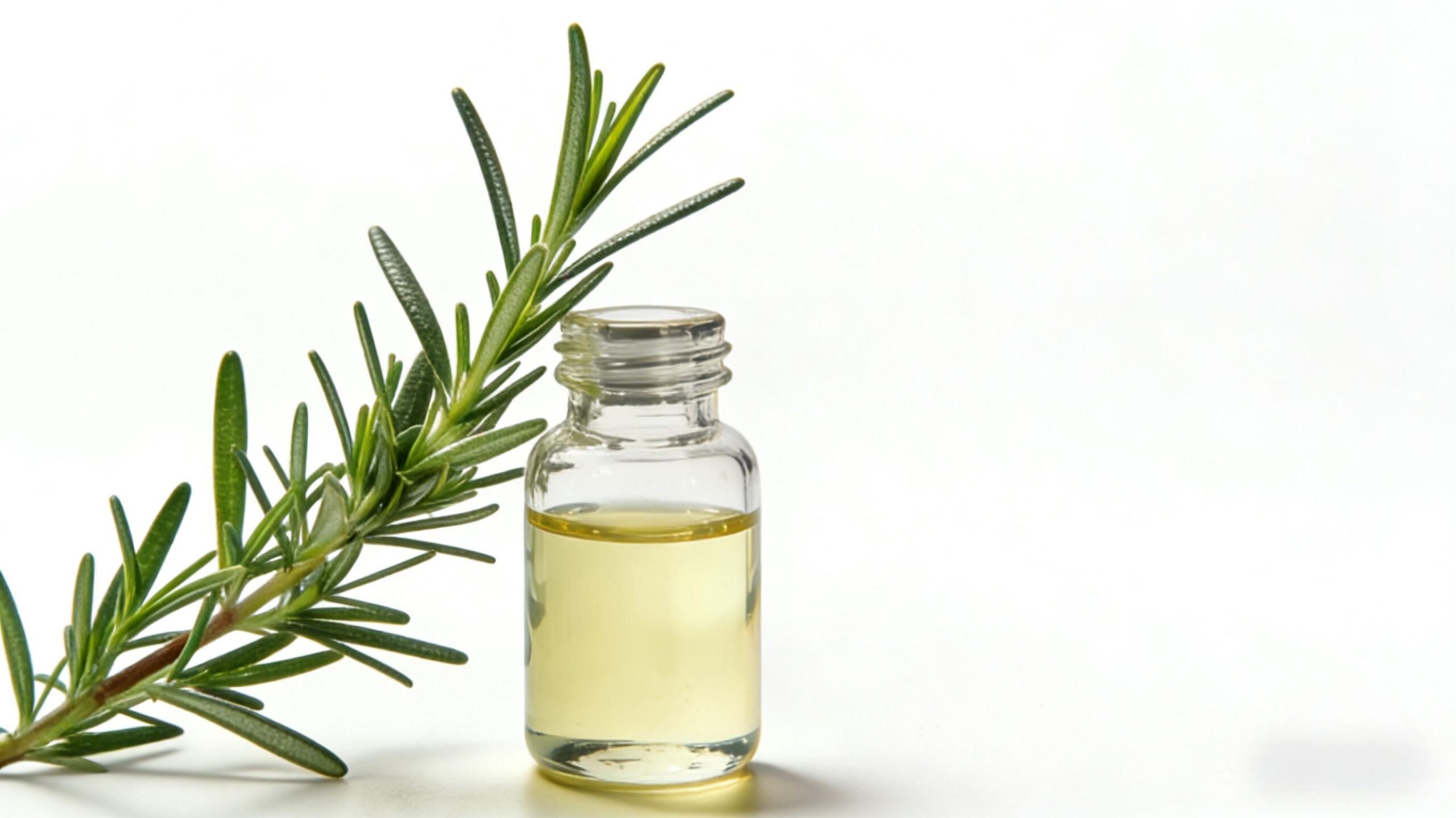
As consumer demand for clean-label food products accelerates, rosemary extract has become one of the most widely adopted natural antioxidant solutions in the food industry. Here is what formulators need to know about using it effectively.
Rosemary (Rosmarinus officinalis) contains two primary antioxidant compounds: Rosmarinic Acid and Carnosic Acid. Both are powerful free radical scavengers that inhibit lipid oxidation — the primary cause of rancidity in fats and oils.
Unlike synthetic antioxidants (BHA, BHT, TBHQ), rosemary extract provides antioxidant protection without regulatory restrictions on usage levels and without consumer concern about "artificial" ingredients on the label.
Not all rosemary extracts are the right fit for every application. The key choice is between Rosmarinic Acid and Carnosic Acid standardization:
The effective usage level depends on the substrate and desired shelf-life extension, but general guidelines are:
In the EU and US, rosemary extract can be declared as "Rosemary Extract" or "Antioxidant (Rosemary)". It is generally recognized as safe (GRAS) in the United States and approved as a food additive in the EU under Regulation (EC) No 1334/2008.
When sourcing rosemary extract for food applications, ensure your supplier provides:
The global pet food market continues to grow, with premium and super-premium segments driving demand for functional ingredients that offer…
If you are formulating dry kibble today, you already know that the antioxidant choice affects three things at once: shelf…
For B2B buyers of botanical extracts, the ability to verify product quality is essential. The Certificate of Analysis (COA) is…