
Comparison
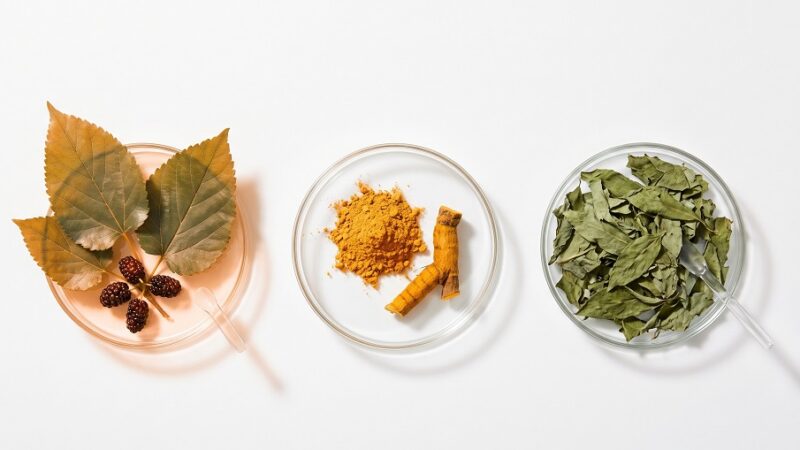
DNJ vs Berberine vs Gymnema: Comparing Metabolic Health Ingredients
For formulators of metabolic health supplements, three botanical ingredients stand out for their evidence base and mechanism diversity: mulberry leaf…
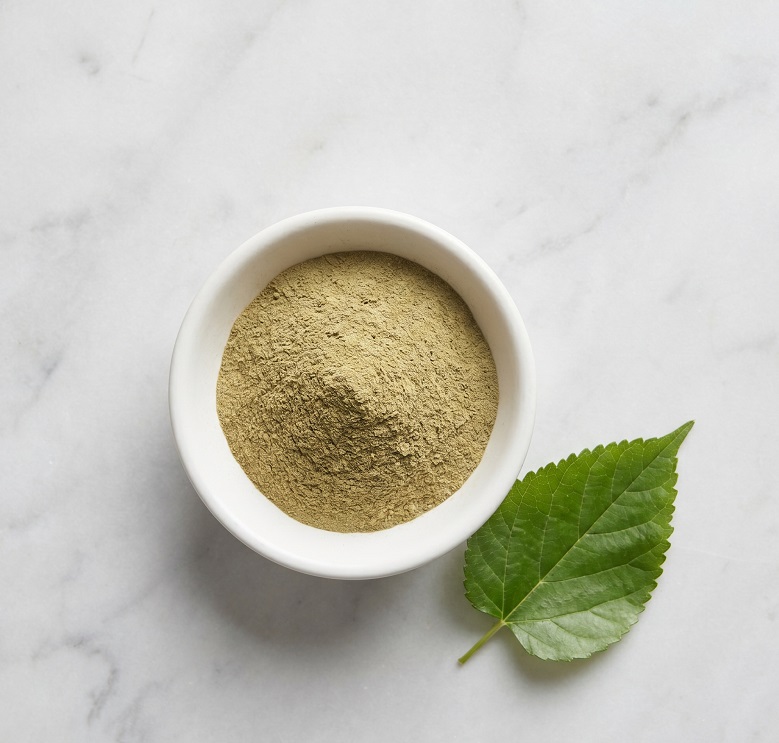
Mulberry leaf powder (Morus alba) has emerged as a high-demand ingredient in the global nutraceutical and functional food markets. For industry professionals, sourcing managers, and supplement manufacturers, understanding the active compound profile, specification ranges, and quality verification methods is essential for building commercially viable products. This guide covers the key mulberry leaf powder benefits from a formulation and procurement perspective, helping buyers make informed sourcing decisions.
The primary bioactive compound in mulberry leaf is 1-deoxynojirimycin (DNJ), an alpha-glucosidase inhibitor that has been extensively studied for its role in postprandial glucose management. With DNJ standardization ranging from 1% to 10%, industry professionals can select the exact specification that matches their target dosage, regulatory category, and price point. Beyond DNJ, mulberry leaf powder contains flavonoids (rutin, quercetin), chlorogenic acid, and amino acids that contribute to its antioxidant and metabolic support profile.
For buyers in the US and EU markets, certifications such as FSSC 22000, BRC, EU Organic, and USDA Organic are baseline requirements. This guide addresses specification selection, quality verification, and formulation considerations to streamline your procurement process.
Mulberry leaf powder contains several bioactive compounds that drive its commercial value in nutraceutical formulations:
For industry professionals, the DNJ specification is the primary driver of cost and efficacy. A 1% DNJ powder suits cost-sensitive functional food applications, while 5-10% DNJ is preferred for dietary supplement capsules targeting glucose management claims.
The most commercially significant mulberry leaf powder benefit is its application in blood sugar management formulations. DNJ functions as a competitive inhibitor of intestinal alpha-glucosidase enzymes (including sucrase and maltase), which delays the breakdown of disaccharides and complex carbohydrates into glucose.
For industry professionals targeting the metabolic health supplement category, this mechanism supports product positioning around postprandial glucose response. Typical formulation considerations include:
When sourcing for blood sugar management products, request a Certificate of Analysis (COA) with HPLC-verified DNJ content, and confirm heavy metals and microbial counts meet USP/EP or applicable regional pharmacopeia standards.
Mulberry leaf powder is increasingly incorporated into weight management formulations due to its dual mechanism: carbohydrate absorption modulation (via DNJ) and antioxidant support (via flavonoids). For manufacturers, this positions the ingredient in the growing metabolic wellness category that bridges blood sugar and weight management.
Formulation approaches for weight management products include:
For EU market compliance, ensure that any weight management claims align with EFSA health claim regulations. In the US market, structure-function claims should be carefully worded to avoid implied disease claims.
Selecting the right mulberry leaf powder specification is critical for balancing cost, efficacy, and formulation requirements. Key specifications to request from suppliers include:
| Parameter | Typical Range | Test Method |
|---|---|---|
| DNJ Content | 1% – 10% | HPLC |
| Particle Size | 80-120 mesh | Sieve analysis |
| Loss on Drying | ≤ 5% | Gravimetric |
| Heavy Metals | ≤ 10 ppm total | ICP-MS |
| Lead (Pb) | ≤ 1 ppm | ICP-MS |
| Arsenic (As) | ≤ 1 ppm | ICP-MS |
| Cadmium (Cd) | ≤ 0.3 ppm | ICP-MS |
| Mercury (Hg) | ≤ 0.1 ppm | ICP-MS |
| Total Plate Count | ≤ 10,000 cfu/g | Plate count |
| Yeast & Mold | ≤ 100 cfu/g | Plate count |
| E. coli / Salmonella | Negative | PCR / cultural |
For organic-certified products, confirm USDA Organic and EU Organic certifications are current and that the supplier can provide transaction certificates. For conventional products, FSSC 22000 and BRC certifications ensure GMP-level manufacturing controls.
Quality verification is a multi-step process that protects your brand and ensures formulation consistency. buyers should implement the following verification protocol:
Typical MOQ ranges from 25 kg to 100 kg depending on the DNJ specification and supplier. Higher DNJ grades (5-10%) may have higher MOQs due to more complex extraction processes. Request quotes from multiple suppliers to compare pricing and MOQ terms.
Properly stored mulberry leaf extract powder (sealed, away from light and moisture, at room temperature) has a shelf life of 24-36 months. The COA should specify the recommended storage conditions and retest date.
Yes, water-soluble grades are available. Specify your application (RTD beverage, powder stick pack, or tablet) to your supplier so they can recommend the appropriate solubility grade and particle size.
Mulberry leaf extract is a concentrated form where the bioactive compounds (primarily DNJ) have been extracted and standardized to a specific percentage. Mulberry leaf powder is the ground leaf material, which naturally contains lower DNJ levels. For supplement formulations, standardized extract is preferred; for functional food applications, whole leaf powder may be suitable.
Standardized mulberry leaf extract powder (e.g., 1-10% DNJ) is partially water-soluble. For fully water-soluble applications, request a water-soluble grade specifically processed for beverage use. Solubility testing should be part of your qualification process.
In the US, mulberry leaf is generally recognized as safe (GRAS) for use in dietary supplements under DSHEA. In the EU, mulberry leaf falls under the Novel Food regulation for certain applications; confirm regulatory status with your compliance team before product launch. Health claims must comply with FDA structure-function claim rules (US) or EFSA health claim regulations (EU).
Nourish Ingredients supplies mulberry leaf extract powder standardized to 1-10% DNJ with full COA, MSDS, and third-party test documentation. Our manufacturing facility holds FSSC 22000, BRC, EU Organic, and USDA Organic certifications, ensuring compliance with US and EU market requirements.
Ready to request documentation? Contact the support team for current pricing, specification sheets, and sample requests. We support MOQs from 25 kg and offer custom DNJ standardization for specific formulation requirements.
For formulators of metabolic health supplements, three botanical ingredients stand out for their evidence base and mechanism diversity: mulberry leaf…
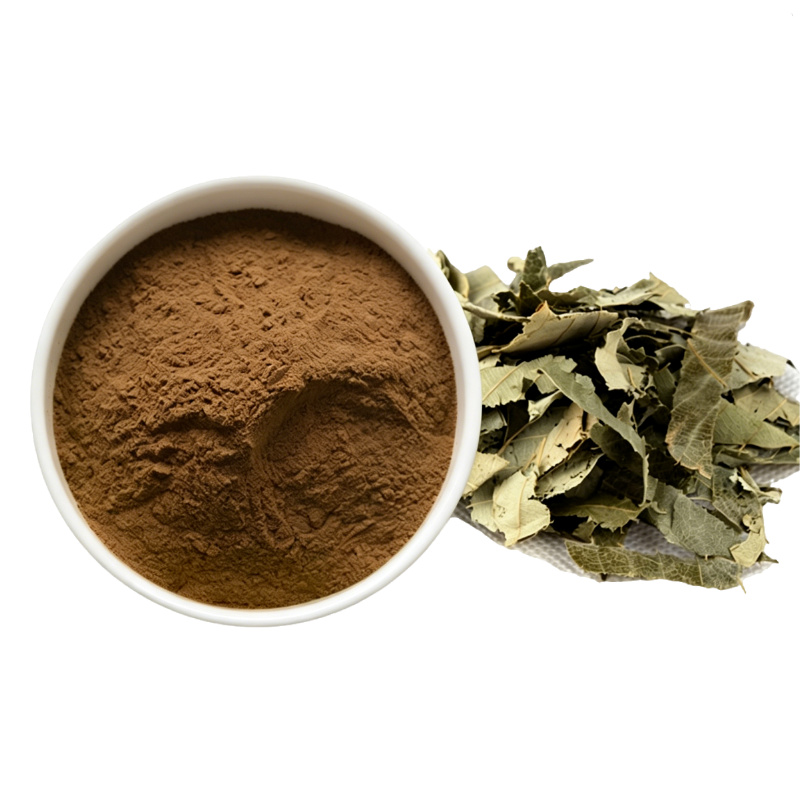
Standardized Botanical Extracts: A Buyer’s Guide to Active Content %, Testing Methods, and Supplier Claims Meta description: HPLC vs. UV,…
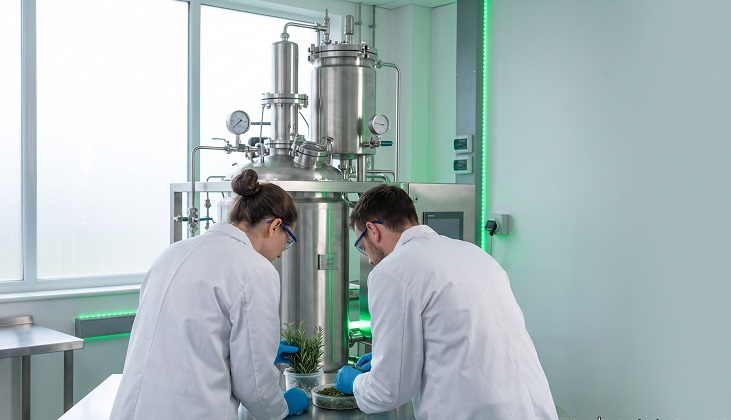
Compare carnosic acid extraction methods for B2B buyers: CO2 supercritical, solvent, and steam distillation. Specifications and procurement guidance.