
Insights
New Product Launch: oil soluble rosemary extract carnosic acid 5% ~95%
Discover our new water-soluble rosemary extract with optimized bioavailability for beverage and functional food applications.
Meta description (153 chars): Compare carnosic acid extraction methods for buyers: CO2 supercritical, solvent, and steam distillation. Yields, purity, and sourcing specifications.
Category: Sourcing Guide Tags: carnosic acid, rosemary extract, extraction methods, CO2 extraction, sourcing Target keywords: carnosic acid extraction, rosmarinic acid extraction, rosemary CO2 extract, rosemary essential oil extraction Internal links (4):
Word count target: ~1,850 words (down from 2,300 v1, -20%)
Carnosic acid is a phenolic diterpene found in rosemary (Rosmarinus officinalis). It is one of the most potent natural antioxidants used in food preservation, dietary supplements, and cosmetics. For buyers, the extraction method directly determines the product’s purity, antioxidant capacity, regulatory status, and price. This guide compares the two main industrial extraction methods (CO2 supercritical and solvent), with a brief note on steam distillation and specifications buyers should request.
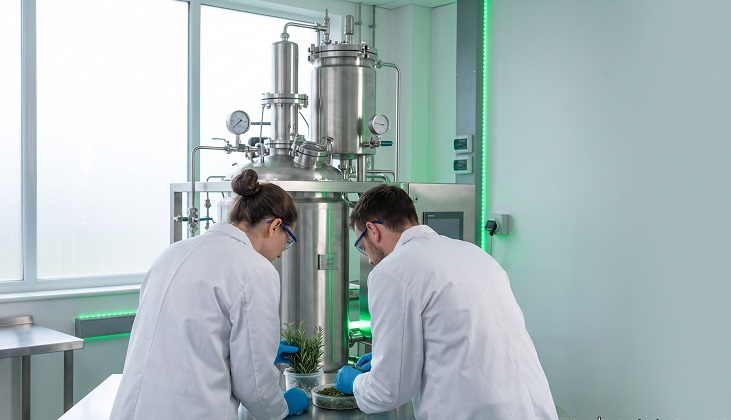
CO2 supercritical extraction uses carbon dioxide at high pressure (above 74 bar) and moderate temperature (35-60°C) to selectively dissolve carnosic acid and rosmarinic acid from rosemary leaf material. When pressure is released, the CO2 returns to gas form, leaving a solvent-free extract.
| Parameter | Typical Range |
|---|---|
| Carnosic acid content | 5% to 30% |
| Rosmarinic acid content | 2% to 15% |
| Solvent residue | 0 ppm |
| Color | Light yellow to greenish |
| Odor | Mild herbal |
Higher capital cost for processors, smaller production volumes per batch, and higher per-kg price compared to solvent extraction.
Organic-certified products, clean-label food preservation, premium dietary supplement formulations, and cosmetic applications where solvent residue is a concern.
Solvent extraction uses food-grade solvents (typically ethanol, methanol, or acetone) to dissolve carnosic acid from rosemary leaves. After filtration and evaporation, the solvent is removed under vacuum. The extract is then standardized and spray-dried or kept as an oleoresin.
| Parameter | Typical Range |
|---|---|
| Carnosic acid content | 5% to 25% |
| Solvent residue | <50 ppm |
| Carrier | Often sunflower oil or maltodextrin |
| Color | Darker green to brown |
Cost-effective at scale (most common method for high-volume production), high yield of total phenolic compounds, flexible standardization, and wide availability from multiple suppliers.
Solvent residue concerns for some certifications (organic, halal, kosher), moderate heat exposure during evaporation, and stronger flavor profile that may limit use in delicate formulations.
Standard food antioxidant applications, dietary supplement capsules, animal feed, and cost-sensitive formulations where solvent residue is not a regulatory barrier.
| Factor | CO2 Supercritical | Solvent Extraction |
|---|---|---|
| Carnosic acid yield | High (preserved) | Medium-high |
| Solvent residue | None | <50 ppm |
| Heat exposure | Minimal | Moderate |
| Cost per kg | Higher | Lower |
| Organic certification | Compatible | Case-by-case |
| Best application | Premium food, supplements | Standard antioxidants |
Steam distillation is sometimes incorrectly cited as a carnosic acid extraction method. Carnosic acid is not volatile and remains in the plant material after distillation, so steam-distilled “rosemary extract” products typically contain less than 2% carnosic acid.
buyers should always verify the extraction method on the COA. Any product labeled as “carnosic acid extract” with carnosic acid content below 5% may be a steam-distilled hydrosol rather than a true standardized extract. Steam distillation remains useful for producing rosemary essential oil for fragrance and aromatherapy applications, not for carnosic acid sourcing.
When evaluating rosemary extract suppliers, request the following documentation:
Suppliers who cannot provide this documentation may be resellers without direct quality control over production.
For a detailed verification protocol, see our botanical extract quality verification guide.
For food preservation, CO2 supercritical extracts are preferred for clean-label applications. Look for carnosic acid content of 10% or higher for effective antioxidant activity at typical usage levels (0.02% to 0.05% in finished products).
For dietary supplements, solvent extraction is widely used and cost-effective. Carnosic acid content of 5% to 25% is standard, depending on formulation. Confirm the carrier material (sunflower oil, maltodextrin) is appropriate for ythe product format.
For cosmetics and personal care, CO2 extracts are preferred due to the absence of solvent residue. Some specialty suppliers offer decolorized carnosic acid extracts for light-colored formulations.
For more guidance, see our rosemary extract product specifications and food & beverage application overview.
Is CO2-extracted carnosic acid more potent than solvent-extracted? Not necessarily more potent per gram, but CO2 extraction typically preserves a broader spectrum of antioxidant compounds and avoids solvent residue concerns. Actual carnosic acid percentage depends on the standardization step.
Can carnosic acid replace synthetic antioxidants like BHA and BHT? In many applications, yes. Rosemary extract is one of the most widely accepted natural alternatives to BHA, BHT, and TBHQ. The transition may require formulation adjustments due to differences in solubility and flavor profile.
What is the difference between carnosic acid and rosmarinic acid? Both are phenolic compounds in rosemary. Carnosic acid is a diterpene with strong lipid antioxidant activity; rosmarinic acid is a phenolic acid with antioxidant and anti-inflammatory properties. Commercial rosemary extracts typically contain both, though the ratio varies by extraction method.
Do all rosemary extract suppliers offer the same quality? No. Quality varies significantly based on raw material sourcing, extraction method, standardization process, and quality control protocols. Request samples and COAs from multiple suppliers before committing.
Nourish Ingredients works with verified rosemary extract producers in China, offering both CO2 supercritical and solvent-extracted carnosic acid standardized extracts. full COA, MSDS, and documentation are provided for US and EU regulatory compliance.
Certifications: FSSC 22000, BRC, EU Organic, USDA Organic, FAMI-QS. MOQ: 25 kg standard, 100 kg custom. Lead time: 2-3 weeks standard, 4-6 weeks custom.
For specifications and pricing, contact the team with your formulation requirements, target carnosic acid percentage, and intended application.
Discover our new water-soluble rosemary extract with optimized bioavailability for beverage and functional food applications.
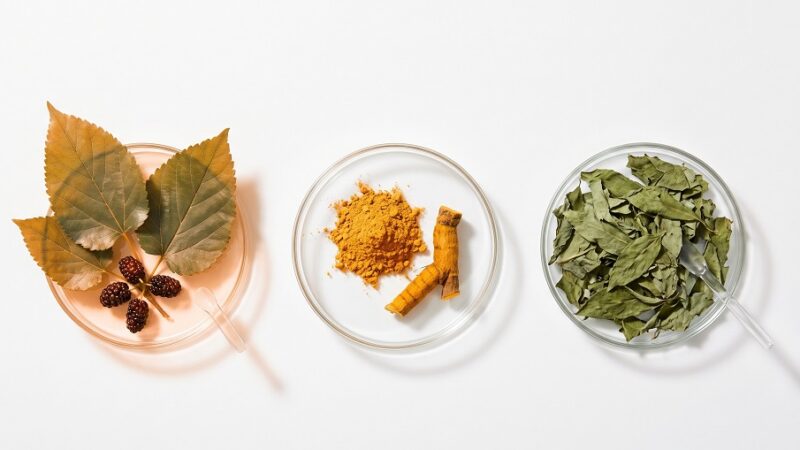
For formulators of metabolic health supplements, three botanical ingredients stand out for their evidence base and mechanism diversity: mulberry leaf…
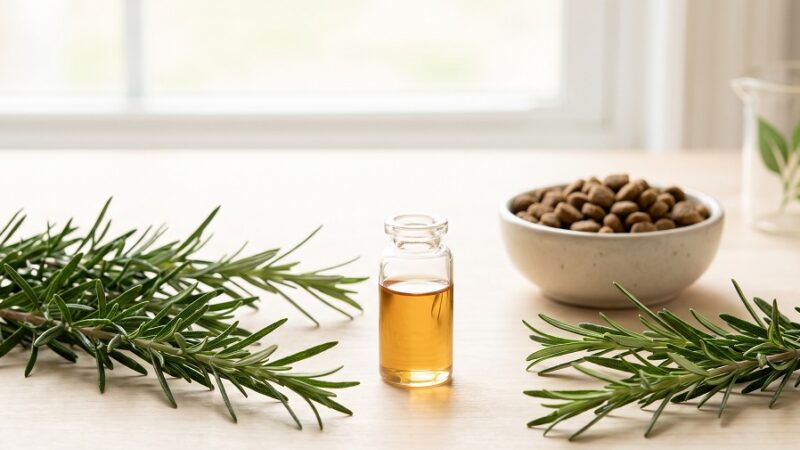
If you are formulating dry kibble today, you already know that the antioxidant choice affects three things at once: shelf…