
Insights
Reb M Stevia Sweetener: B2B Formulator’s Guide
Reb M (Rebaudioside M) Stevia Sweetener: Industry professional’s Complete Guide Introduction For industry professionals developing sugar-reduced or zero-sugar products, Reb…
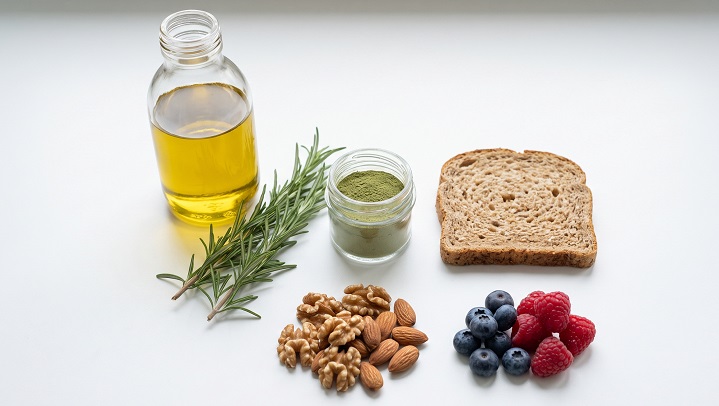
The global clean-label food movement has reshaped how food and beverage manufacturers approach shelf-life extension. Consumers increasingly read ingredient lists and reject products containing synthetic antioxidants such as BHA, BHT, TBHQ, and propyl gallate. For B2B buyers in the food and beverage industry, this shift creates both a challenge and an opportunity: reformulate with natural alternatives that deliver comparable antioxidant performance without the labeling concerns.
Botanical extracts — particularly rosemary extract (carnosic acid), mixed tocopherols, and certain spice-derived antioxidants — are now among the most widely adopted natural preservatives in clean-label applications. This guide covers the primary options, their specifications, and the sourcing considerations that matter for B2B procurement.
—
The European Food Safety Authority (EFSA) has progressively restricted the use of BHA and BHT, with several member states moving to ban specific applications. In the US, while BHA and BHT remain FDA-approved, the “Generally Recognized as Safe” (GRAS) status is under periodic review. Several major retailers have already delisted products containing synthetic antioxidants from their clean-label private label lines.
Studies consistently show that 60-70% of US and EU consumers prefer products with ingredients they recognize. “Natural” or “no artificial preservatives” claims on packaging drive purchasing decisions, particularly in the premium and organic segments.
Botanical antioxidants are not always a direct drop-in replacement for synthetic antioxidants. They typically require reformulation to balance antioxidant activity, flavor impact, and cost. Working with a knowledgeable supplier is critical to successful product development.
—
Rosemary extract is the most widely adopted botanical antioxidant for food preservation. Its primary active compounds — carnosic acid and rosmarinic acid — provide strong lipid-phase antioxidant activity.
Typical specifications:
Advantages:
For a detailed comparison of extraction methods, see our carnosic acid extraction guide and rosemary extract specifications.
Mixed natural tocopherols — extracted from vegetable oils such as soybean, sunflower, or rapeseed — contain alpha, beta, gamma, and delta tocopherol fractions. They are widely used as natural antioxidants in oils, fats, and fat-containing foods.
Typical specifications:
Advantages:
For mixed tocopherol product specifications, see our natural vitamin E product page.
Green tea extract, standardized for catechins (particularly EGCG), provides both antioxidant and mild antimicrobial activity. It is used in beverages, ready-to-drink products, and some functional foods.
Typical specifications:
Considerations:
Several other botanical extracts serve niche or specialty roles in food preservation:
For most lipid-phase applications, rosemary extract and mixed tocopherols remain the workhorse ingredients.
—
Carnosic acid in rosemary extract acts as a chain-breaking antioxidant. It donates hydrogen to lipid radicals, interrupting the oxidation chain reaction that causes rancidity in oils and fats. The resulting carnosic acid radical is relatively stable and does not propagate the oxidation chain.
| Product Type | Typical Usage Level | Notes |
|---|---|---|
| Vegetable oils | 0.02% to 0.05% | Often combined with mixed tocopherols |
| Meat products | 0.02% to 0.04% | Effective in both raw and processed meats |
| Baked goods | 0.02% to 0.04% | Heat-stable up to 190°C |
| Snack foods | 0.02% to 0.05% | Particularly effective in nut and seed products |
| Sauces and dressings | 0.02% to 0.05% | May require solubilization in oil phase |
For more detailed sourcing guidance, see our bulk rosemary extract B2B guide.
—
For B2B buyers exporting to multiple regions, confirming regulatory compliance in each target market is essential.
—
A reliable supplier should provide:
We recommend requesting samples from multiple suppliers and conducting in-house accelerated stability testing before committing to a supply agreement. For a full verification protocol, see our botanical extract quality verification guide.
—
In properly formulated products, yes. Rosemary extract and mixed tocopherols at standard usage levels deliver antioxidant performance comparable to synthetic antioxidants. The key is correct dosing, proper carrier selection, and stability testing under your specific product conditions.
At standard usage levels (0.02% to 0.05%), the impact is minimal. Rosemary extract may contribute a mild herbal note at higher usage levels; mixed tocopherols are typically flavor-neutral. We recommend sensory evaluation during formulation development.
Yes. Combining rosemary extract with mixed tocopherols is a common formulation strategy that often delivers synergistic effects. Some studies show 20-30% improvement in antioxidant performance over single-ingredient systems.
Yes. Both rosemary extract and mixed tocopherols are available in organic-certified grades. Expect higher pricing (typically 30-50% premium) and confirm certification documentation (USDA NOP, EU Organic) is current at the time of purchase.
When stored properly (cool, dry, sealed packaging), most standardized botanical antioxidant extracts have a 24-month shelf life. Always confirm the manufacturer’s stated shelf life and storage conditions on the COA.
For most lipid-phase applications, both are effective. Rosemary extract tends to be more cost-effective at higher antioxidant activity levels; mixed tocopherols are more flavor-neutral and have longer regulatory history. Many formulators use both for synergistic effects.
—
—
Nourish Ingredients supplies standardized rosemary extract (5-25% carnosic acid) and mixed natural tocopherols (30-90%) for food preservation and clean-label F&B applications. We work with verified producers offering both conventional and organic-certified grades.
Certifications: FSSC 22000, BRC, EU Organic, USDA Organic, FAMI-QS.
Documentation: Full COA, MSDS, pesticide residue report, and stability data provided.
MOQ: 25 kg for stock specifications, 100 kg for custom standardization.
Lead time: 2-3 weeks for stock items, 4-6 weeks for custom orders.
For pricing and product specifications, contact our team with your application, target usage level, and required certifications.
Reb M (Rebaudioside M) Stevia Sweetener: Industry professional’s Complete Guide Introduction For industry professionals developing sugar-reduced or zero-sugar products, Reb…
For B2B buyers of botanical extracts, the ability to verify product quality is essential. The Certificate of Analysis (COA) is…
Pet food manufacturers face a growing challenge: consumers want clean-label products without synthetic preservatives like BHA, BHT, or ethoxyquin, but…