
Insights
Botanical Antioxidants for Food Preservation: 2026 B2B Guide
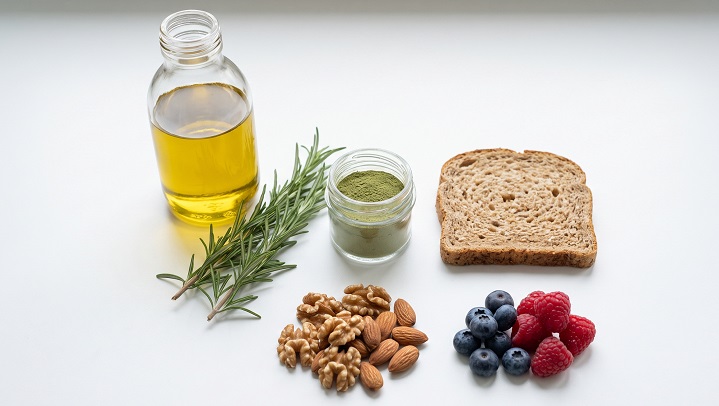
Botanical antioxidants for food preservation: rosemary extract and mixed tocopherols as clean-label alternatives to synthetic preservatives.
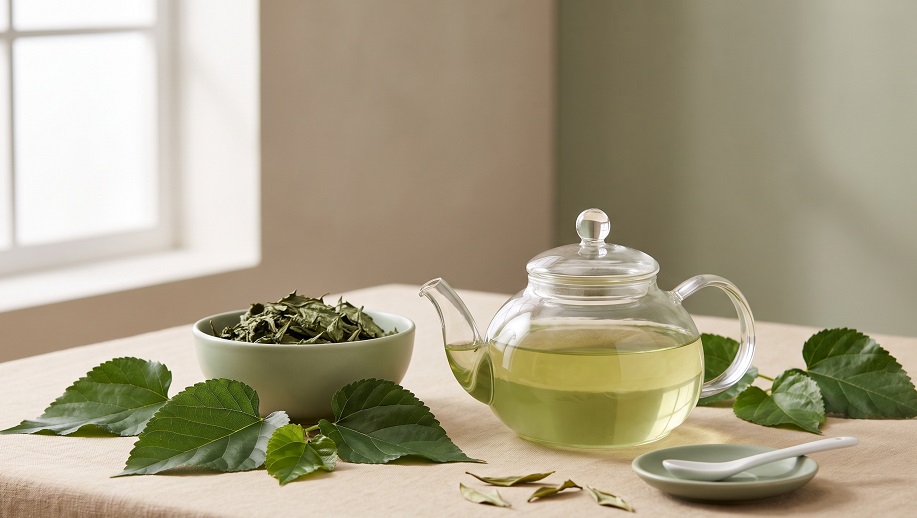
As the global weight management supplement market approaches $50 billion, formulators are increasingly turning to mulberry leaf extract as a clinically-supported, plant-based active ingredient. Standardized to DNJ (1-Deoxynojirimycin), this botanical offers a unique mechanism of action that complements other metabolic health ingredients.
This guide covers specification, dosage, formulation synergies, regulatory status, and supplier selection criteria for B2B buyers of mulberry leaf extract.
Mulberry leaf extract is derived from the leaves of Morus alba (white mulberry), a plant cultivated for centuries in East Asia for both traditional medicine and silkworm feed. The leaves contain a group of alkaloids, with 1-Deoxynojirimycin (DNJ) being the most pharmacologically active for metabolic health applications.
Commercial mulberry leaf extract is standardized to DNJ content, typically:
DNJ is a naturally occurring alpha-glucosidase inhibitor. Alpha-glucosidase is an intestinal enzyme responsible for breaking down complex carbohydrates into absorbable glucose. By partially inhibiting this enzyme, DNJ:
Unlike pharmaceutical alpha-glucosidase inhibitors (e.g., acarbose), DNJ operates at a milder level and is generally well-tolerated, making it suitable for daily-use dietary supplement formulations.
Multiple human clinical studies have evaluated mulberry leaf extract’s metabolic effects:
For formulators, the clinical evidence supports positioning mulberry leaf extract as a “carbohydrate management” ingredient rather than a primary weight loss ingredient — a positioning that aligns with regulatory frameworks in most major markets.
DNJ concentration should be verified by HPLC, not UV spectrophotometry, as the latter can overestimate DNJ content due to interference from other alkaloids. Insist on a method-specific COA.
DNJ is water-soluble, so most mulberry leaf extracts are produced using water or water-ethanol extraction. Confirm the extraction method, as it affects both DNJ yield and the presence of co-extractives like flavonoids and polysaccharides.
Mulberry leaves can accumulate heavy metals and pesticide residues from agricultural environments. COAs should include:
Quality mulberry leaf extract is a fine brown powder with a mild herbal-tea aroma and slightly bitter taste. Strong bitterness may indicate over-extraction or poor post-harvest handling.
The most common delivery form. Standard dosage: 300-600 mg of 5% DNJ extract, taken 15-30 minutes before carbohydrate-rich meals. This typically provides 15-30 mg of DNJ per serving.
Increasingly popular in Asia-Pacific markets. Dosage: 1-2 g per serving of 5% DNJ extract, often combined with green tea extract, chromium, or gymnema.
Mulberry leaf extract can be incorporated into:
However, water-soluble applications require careful sensory management, as DNJ can contribute bitterness.
Mulberry leaf extract works well in combination with other metabolic health ingredients:
For combination products targeting pre-diabetic consumers, mulberry + berberine + chromium is a well-studied formulation strategy.
Mulberry leaf extract is regulated as a dietary ingredient under DSHEA. It is not on the FDA’s New Dietary Ingredient (NDI) notification requirement list when used at traditional levels, but specific formulations may require NDI notifications. GRAS self-determinations are possible but should be supported by qualified experts.
Mulberry leaf extract is permitted as a food supplement ingredient under EU Directive 2002/46/EC. It does not currently hold an EFSA-approved health claim for weight management, so formulations should use structure-function claims consistent with EU regulations.
Mulberry leaf extract has a Natural Product Number (NPN) for use as a traditional herbal medicine. Specific weight management claims require additional evidence submissions.
Permitted in Australia (TGA), Japan (as a “Foods with Function Claims” ingredient), South Korea (MFDS), and China (as a traditional food ingredient).
China is the world’s largest producer of mulberry leaves, with significant cultivation in Zhejiang, Jiangsu, and Sichuan provinces. Premium extracts typically use leaves harvested in late spring or early summer when DNJ content peaks.
Look for suppliers that control cultivation, harvesting, and extraction. This ensures traceability and consistency — critical for clinical positioning.
Required certifications for B2B dietary supplement markets include:
Review our quality certifications for the standards we maintain.
Expect full COA, MSDS, allergen statements, non-GMO declarations, and country-of-origin documentation. For EU distribution, additional documentation may include novel food status assessments.
Standard MOQ is typically 1 kg for samples and 25 kg for commercial orders. Lead time for 5% DNJ stock grades is usually 7-10 days; custom concentrations may require 3-4 weeks.
If you’re evaluating mulberry leaf extract for a weight management or metabolic health formulation, request samples at multiple DNJ concentrations (1%, 5%, 10%) and conduct sensory evaluation alongside analytical verification.
Nourish Ingredients supplies mulberry leaf extract standardized to 1%-10% DNJ, sourced from premium Chinese mulberry leaves with full traceability. Our FSSC 22000, BRC, KOSHER, HALAL, and FAMI-QS certified manufacturing ensures consistent quality and complete documentation for international distribution.
For samples, technical datasheets, or formulation guidance, contact our team.
Botanical antioxidants for food preservation: rosemary extract and mixed tocopherols as clean-label alternatives to synthetic preservatives.

A supplier that says “we are a leading rosemary extract supplier” tells you nothing. What you need are the five…
Weight management supplements represent one of the largest and most dynamic segments in the global dietary supplement market. For B2B…